From Wildfires to Hurricanes: Why Portable Energy Matters More Than Ever
Key Takeaways
- Disasters Are Increasing: The U.S. faces more frequent and severe wildfires, hurricanes, and extreme weather events, disrupting critical infrastructure and access to power.
- Mobile Energy Systems Offer Rapid Relief: Portable solar and battery systems can be deployed quickly to restore power in disaster zones or power isolated facilities.
- Wide Range of Applications: From military bases and hospitals to telecom networks and community events, portable energy meets a variety of needs.
- Energy Independence Starts Local: Communities that adopt mobile energy solutions gain greater control and resilience without depending solely on large utility grids.
- Preparedness Is Non-Partisan: Portable energy is a practical solution that supports national interests, economic efficiency, and public safety—regardless of politics.
Energy on the Move
Over the past decade, America has faced a dramatic uptick in natural disasters—raging wildfires in the West, devastating hurricanes in the South and East, and ice storms knocking out power in places unaccustomed to freezing temperatures. These events don’t just disrupt life; they expose the vulnerabilities of centralized power infrastructure.
In times of crisis, the ability to bring energy directly to the point of need—be it a remote wildfire basecamp, a hurricane-damaged hospital, or a disrupted military installation—is no longer a luxury. It’s a national imperative. Portable energy systems, including mobile solar trailers and battery-backed power modules, are proving to be game-changers in resilience and response. And as public and private sectors look to strengthen their preparedness and reduce dependencies, these solutions are quickly gaining traction.
Why Disasters Are a Tipping Point for Energy Preparedness
Natural disasters do more than damage homes, roads, and buildings. They can interrupt the systems that communities depend on every day, including electricity, communications, healthcare, water treatment, transportation, and emergency response. When the power grid fails, the effects can spread quickly. Cell towers may lose service, medical equipment may become unavailable, refrigerated medicines and food can be placed at risk, and emergency crews may struggle to coordinate their response. The U.S. Department of Energy notes that prolonged outages can significantly disrupt critical infrastructure and public safety systems.
The frequency and intensity of natural disasters have increased sharply, placing greater pressure on infrastructure that may already be aging or operating near capacity. According to the National Oceanic and Atmospheric Administration (NOAA), the United States averaged 18 separate billion-dollar disasters annually from 2018 to 2023—a significant increase compared with earlier decades. These events have not only become more costly but have also caused longer and more widespread interruptions to essential services.
Traditional backup plans often depend on fixed generators and continuous fuel deliveries. During a major hurricane, wildfire, flood, or winter storm, however, roads may be closed, fuel supplies may be limited, and damaged infrastructure may take days or weeks to restore. A backup system is only useful if it can be reached, supplied, and operated under difficult conditions. For a deeper look at how backup systems perform during emergencies, see our guide on emergency power solutions.
This is why disasters have become a tipping point for energy preparedness. Communities and organizations can no longer assume that grid power will return quickly or that outside assistance will arrive immediately. They need flexible power resources that can be positioned before an emergency, transported to affected locations, and used independently while repairs are underway. Portable energy systems provide that additional layer of readiness by bringing electricity directly to the people, equipment, and services that need it most. Learn more about how these systems work in our overview of portable energy systems.
Recent Examples:
Recent disasters demonstrate how quickly an energy interruption can deepen an already serious emergency.
- Maui Wildfires (2023): Downed power lines and prolonged blackouts compounded the tragedy. Lives and critical communication were lost due to lack of backup power.
- Texas Winter Storm (2021): Millions lost power for days, with over 200 deaths linked to hypothermia and lack of heat or access to medical devices.
- Hurricane Ian (2022): The Category 4 storm knocked out power to over 2.7 million Florida customers, many of whom lacked immediate access to backup energy.
These are not isolated incidents. As the grid grows more strained, communities need decentralized, mobile energy sources that can be deployed quickly, operate independently, and support essential functions.

What Is Portable Energy?
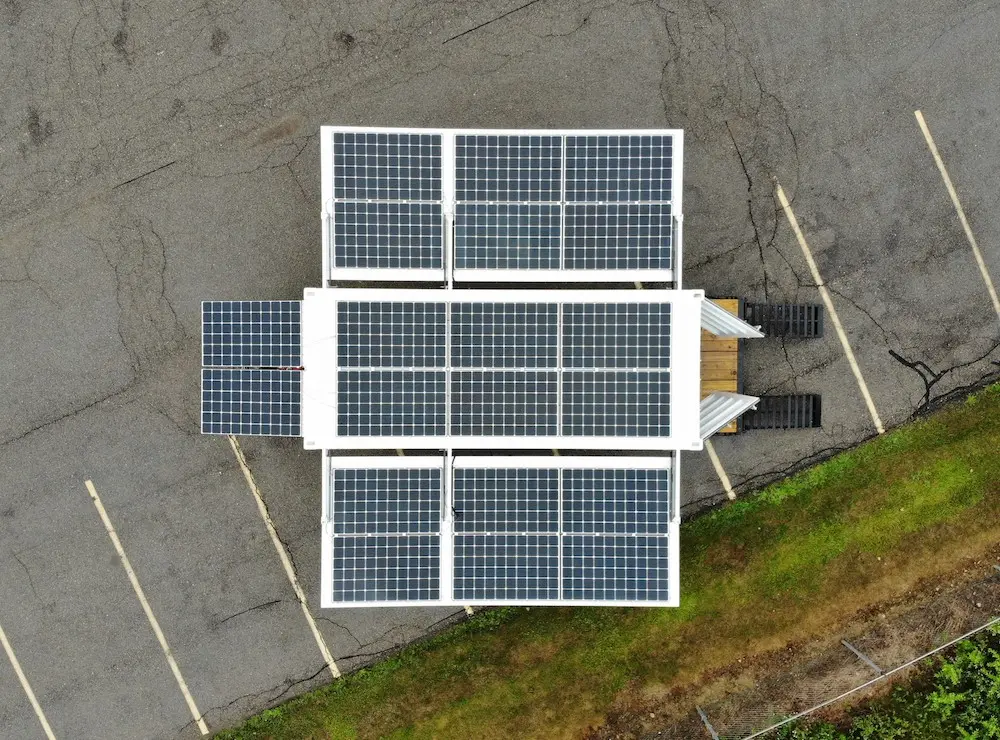
Portable energy refers to compact, transportable systems designed to generate, store, and deliver electricity wherever it is needed. Unlike permanent power infrastructure, these systems can be moved between locations and deployed in areas where the traditional grid is unavailable, damaged, unreliable, or difficult to access.
Portable energy systems range from smaller units that support communications, lighting, refrigeration, and electronic devices to larger systems capable of powering command centers, mobile clinics, temporary shelters, water treatment equipment, and other critical operations. Their mobility makes them especially useful during disasters, infrastructure repairs, military missions, remote operations, public events, and other situations where permanent electrical service may not be practical.
Many portable energy systems combine multiple technologies to provide dependable power under changing conditions. Solar panels can generate electricity during daylight hours, batteries can store that energy for use at night or during periods of limited sunlight, and an optional backup generator can provide additional support when needed. This combination allows organizations to match the system to the mission, location, expected duration, and equipment being powered.
Common types of portable energy systems include:
- Mobile Solar Generators: Solar panels mounted on trailers or skids.
- Battery Trailers or Containers: Large lithium-ion or lead-acid battery banks with charging capabilities.
- Hybrid Units: Systems combining solar, battery storage, and backup generators for flexible use.
Unlike stationary generators or rooftop panels, these solutions are designed for mobility—ideal for emergency responders, construction sites, mobile clinics, temporary shelters, and military field operations.
Real-World Uses of Portable Energy
Portable energy delivers the greatest value when power must reach places where the grid is unavailable, damaged, or too slow to extend. Because these systems can be transported and configured for specific needs, they support both emergency operations and planned activities in remote or temporary locations. From disaster response and military missions to healthcare, infrastructure repair, and community events, the following applications show how portable energy can provide dependable power at the point of need.
1. Disaster Response and Emergency Services
In any disaster, time is critical. Portable Nanogrids and mobile power systems can be deployed within hours to restore essential services like lighting, refrigeration for medication, communications, and water purification.
Emergency trailers outfitted with solar + battery systems have powered:
- Command centers
- Search-and-rescue teams
- Pop-up medical facilities
- Evacuation shelters
They eliminate the need for diesel, reduce noise and fumes, and offer clean, silent power—especially crucial around children, the elderly, and those with respiratory conditions.
2. Military and National Security
For defense operations, energy security is paramount. Mobile energy systems reduce the logistical burden of fuel convoys, which can be vulnerable to attack or delay. By generating power at the point of need, troops gain autonomy and operational efficiency.
At U.S. Army facilities like White Sands Missile Range, hybrid Nanogrids have demonstrated strong potential in supporting tactical operations without relying on long-distance fuel supply chains.
3. Healthcare and Public Health
Mobile clinics, vaccine sites, and community health programs benefit from portable solar trailers that power refrigeration units, ventilators, mobile labs, and patient check-ins—anywhere, even during grid failure.
During COVID-19 response efforts, these systems supported pop-up testing and vaccine centers in underserved areas, ensuring equitable access to care.
4. Critical Infrastructure Maintenance
Utilities, telecom operators, and public works departments increasingly use portable energy for field repairs and network stabilization. When a grid goes down, these systems can keep signals running, water flowing, and crews safe.
5. Community Events and Engagement
Outside of emergencies, portable power finds use in fairs, farmers markets, mobile educational trailers, and outdoor gatherings. These applications may seem minor, but they help normalize energy preparedness and promote local resilience.

Why Now? The Strategic Case for Mobile Energy
The growing use of portable energy is not simply a response to more frequent disasters. It reflects a broader shift in how communities, agencies, businesses, and military operations approach energy preparedness. Instead of relying entirely on fixed infrastructure or fuel-dependent generators, organizations can now deploy power directly where it is needed, adapt capacity as conditions change, and maintain greater control during outages or emergencies. The strategic value of mobile energy comes from five practical advantages: speed, reduced fuel dependence, cost control, scalability, and operational independence.
Rapid Deployment
Portable energy systems can be operational in 15–60 minutes. Compare that to weeks or months for installing traditional infrastructure.
No Fuel Logistics
Systems powered by solar and battery storage eliminate the need for fuel delivery, which can be costly or impossible during crises.
Cost Control
While the upfront investment may be higher than a gas generator, the long-term savings in fuel, maintenance, and emissions make portable solar and battery systems more cost-effective over time.
Scalability
Modular designs allow you to link multiple units together or deploy as needed. Whether you're powering a laptop or a campus, mobile power scales up or down to match.
Independence and Control
Communities and agencies that adopt mobile energy solutions gain greater autonomy over their energy resilience. They aren’t waiting on utilities or federal resources—they’re ready.
Avoiding Politicization: A Practical, Common-Sense Solution
Portable energy should not be viewed through a partisan lens. At its core, it is a practical preparedness tool that helps communities, businesses, emergency responders, healthcare providers, and government agencies maintain essential operations when the grid is unavailable or fuel deliveries are disrupted. Guidance from agencies such as the Federal Emergency Management Agency (FEMA) emphasizes the importance of maintaining critical services during disasters. Similarly, the U.S. Department of Energy highlights the role of resilient energy systems in supporting essential infrastructure.
The case for portable energy can be made in straightforward operational and financial terms. Systems that combine solar generation, battery storage, and flexible backup capabilities can be positioned where power is needed, deployed quickly, and used without depending entirely on continuous fuel deliveries. The National Renewable Energy Laboratory (NREL) has documented how solar-plus-storage systems can enhance resilience and reduce reliance on fuel supply chains. These systems can also reduce noise, maintenance requirements, and exposure to fluctuating fuel costs, supporting public safety, fiscal responsibility, local control, and energy security.
Portable energy is not intended to replace the electric grid or require communities to rebuild their infrastructure around one technology. Instead, it adds another layer of preparedness. The Department of Homeland Security’s Cybersecurity and Infrastructure Security Agency (CISA) underscores the importance of layered resilience strategies for critical infrastructure. A mobile system can support a temporary command center, communications equipment, a medical clinic, refrigeration, lighting, water treatment, or other priority loads until conventional power is restored. Organizations can begin with a clearly defined need and expand their capabilities over time.
This practical approach gives local leaders and emergency planners more options during unpredictable events. Rather than waiting for outside resources to arrive, they can position mobile power in advance or move it as conditions change. The objective is simple: provide dependable power to real people, essential services, and critical missions when and where it is needed most.
Conclusion: Meeting the Moment with Practical Energy Solutions
America’s power needs are shifting. From the Gulf Coast to the Great Plains, communities are looking for faster, more reliable, and more flexible solutions in the face of disaster. Portable energy systems are answering that call—quietly, cleanly, and effectively.
Whether you’re preparing for the next wildfire season, building resilience into your business, or supporting public safety missions, one thing is clear: portable energy is no longer a niche product—it’s a national necessity.

Frequently Asked Questions (FAQ)
1. How does portable energy compare to traditional backup generators during disasters?
While diesel generators have been the go-to backup power source for decades, they come with serious limitations. Fuel delivery can be interrupted during storms, and generators require regular maintenance, oil changes, and are often noisy and polluting. Portable solar and battery systems offer a quieter, cleaner, and often more reliable option. These systems are self-sustaining, especially when solar-powered, and can be deployed without worrying about fuel availability or emissions that may harm health. They also have fewer moving parts, reducing the likelihood of mechanical failure during critical moments. For long-term, sustainable, and scalable use, mobile clean energy systems offer distinct advantages over traditional generators.
2. Are mobile energy systems affordable for small communities or emergency agencies?
Yes—especially when considering total lifecycle cost. While some solar or hybrid mobile energy systems may have higher upfront costs than gas generators, they eliminate the need for fuel purchases and ongoing maintenance expenses. Many communities qualify for federal or state funding to support resilience and emergency preparedness efforts, including through FEMA’s Hazard Mitigation Grant Program or the Department of Homeland Security. Some organizations also partner with clean energy startups to lease units or purchase modular systems over time. In many cases, the savings in fuel alone can offset costs within a few years, making these systems a smart long-term investment.
3. Can portable energy systems provide power for an entire building or just small devices?
It depends on the system. Some mobile battery units are designed to power laptops, lighting, or small appliances. Others—especially solar-powered Nanogrids—can support entire clinics, classrooms, or command centers. These systems are scalable, meaning additional units can be linked together for larger loads. Many come with integrated inverters, solar arrays, and battery storage capacities of 20 kWh or more, which is enough to run high-demand equipment like HVAC systems, medical devices, or water pumps. Always check system specs based on your specific load requirements, and consider modular expansion if you expect to grow.
4. What role do these systems play in national defense or military operations?
Mobile energy systems enhance mission readiness by offering decentralized, on-site power without reliance on fuel convoys or vulnerable grid infrastructure. They improve troop safety by reducing the need for fuel transport in hostile regions. In peacetime, bases can use these systems to increase energy resilience, reduce operating costs, and meet efficiency targets. As the Department of Defense looks to enhance operational energy security, mobile solar and battery systems have already been tested and deployed at facilities like the U.S. Army’s White Sands Missile Range. These solutions provide greater flexibility, faster deployment, and fewer logistical burdens for modern operations.
5. How can everyday communities start using mobile energy systems?
Start by identifying your most critical needs—medical refrigeration, communications, lighting, water access—and then look for mobile energy units that can meet those requirements. Many companies now offer pre-configured solar trailers, battery containers, and hybrid systems for purchase or lease. Local governments can apply for resilience and preparedness funding. Businesses can use these systems for continuity planning. Even schools, farmers, and event organizers are finding practical uses. The best way to begin is by integrating a single unit into your emergency response or public works operations, then expanding as needed. Mobile energy isn’t a distant idea—it’s a practical tool available now.
Conclusion: Meeting the Moment with Practical Energy Solutions
America’s power needs are shifting. From the Gulf Coast to the Great Plains, communities are looking for faster, more reliable, and more flexible solutions in the face of disaster. Portable energy systems are answering that call—quietly, cleanly, and effectively.
Whether you’re preparing for the next wildfire season, building resilience into your business, or supporting public safety missions, one thing is clear: portable energy is no longer a niche product—it’s a national necessity.
