The Strait of Hormuz is a Wake-Up Call. What’s Next for Energy Resilience?
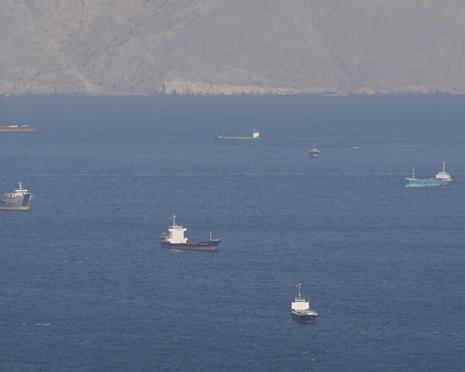
It's been six months since the Strait of Hormuz closed, and its impact reaches far beyond the Middle East. As one of the world’s most important energy thoroughfares, any disruption in the strait can send energy prices soaring, putting pressure on everything from transportation and manufacturing to the cost of groceries. But the crisis is also exposing a deeper vulnerability: how dependent the global economy remains on fossil fuels and the supply chains required to move them. For decades, energy security has largely meant securing access to fuel. Today, we have an opportunity to think about energy security differently.