The Strait of Hormuz is a Wake-Up Call. What’s Next for Energy Resilience?
The Strait of Hormuz is a Wake-Up Call. What’s Next for Energy Resilience?
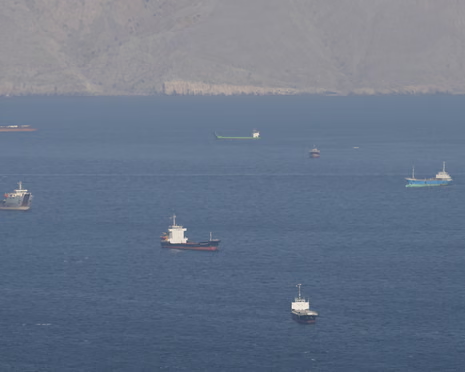
It's been six months since the Strait of Hormuz closed, and its impact reaches far beyond the Middle East. As one of the world’s most important energy thoroughfares, any disruption in the strait can send energy prices soaring, putting pressure on everything from transportation and manufacturing to the cost of groceries.
But the crisis is also exposing a deeper vulnerability: how dependent the global economy remains on fossil fuels and the supply chains required to move them.
For decades, energy security has largely meant securing access to fuel. Today, we have an opportunity to think about energy security differently.
A Diversified Energy Portfolio
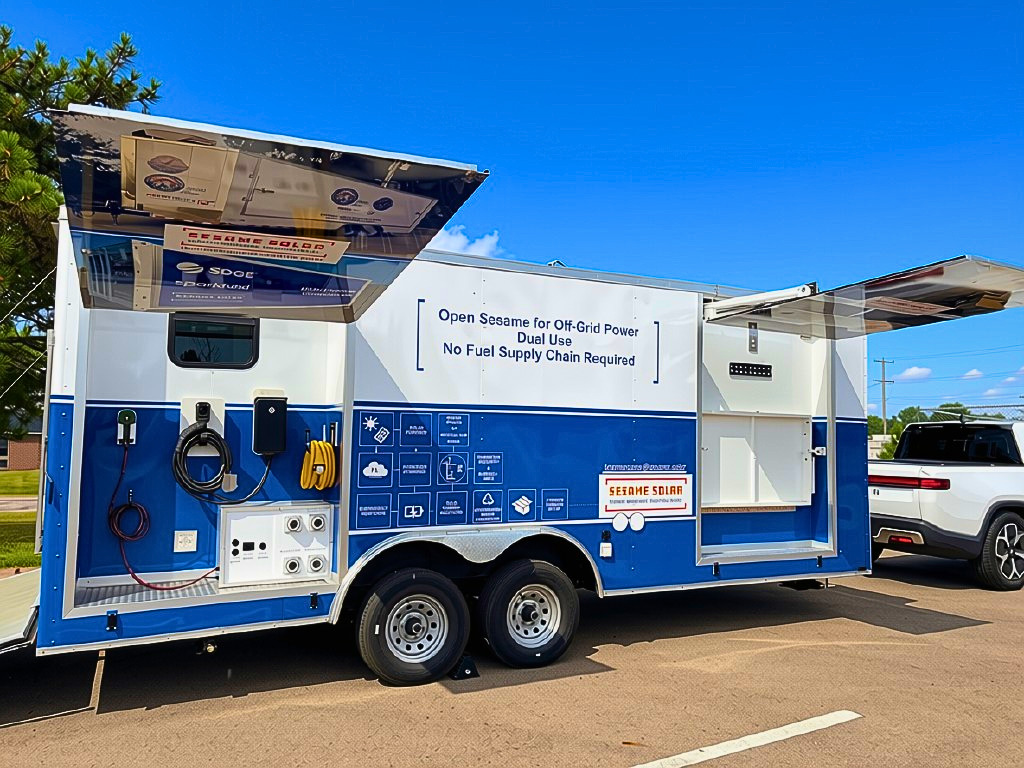
At Sesame Solar, we believe that means investing in resilient, self-generating power that can operate independently of vulnerable fuel supply chains. When diesel deliveries are delayed, disrupted or simply unavailable, critical operations still need power. Emergency response teams need to communicate. Military operations need to maintain readiness. Communities need to keep essential services running. Businesses need to remain operational.
Reliable power cannot depend on a single fuel source or a supply chain that can be disrupted thousands of miles away.
That is why resilient energy is no longer simply an environmental goal. It is a matter of national security, operational readiness and community resilience.
Lessons Learned
The lesson from the Strait of Hormuz is not that we should abandon traditional energy sources. It is that we cannot afford to depend on them exclusively. A resilient energy strategy requires diversity: multiple sources and technologies to generate power where and when it’s needed.
Fortunately, we are in a very different position than we were during the oil crises of the 1970s. Self-generating energy technologies have advanced dramatically, and ready-to-market solutions can generate, store and deliver power without relying on fuel supply chains. We see this moment in time as an opportunity to build a more energy-resilient future, where critical operations are not left powerless because a fuel supply chain fails. Now is the time to put energy resilience into action.
If a critical fuel supply chain were disrupted tomorrow, would your operations still have power?
