Preparing for Power Outages During El Niño Flooding
Excerpt
California is stepping up preparations for a potentially historic El Niño season, including flooding, infrastructure damage and power outages. For emergency managers, mobile, self-generating power can help keep critical operations running when the grid or fuel deliveries are disrupted.
Key Takeaways
- On September 21, Governor Gavin Newsom proclaimed a state of emergency to strengthen California's preparations for the developing El Niño season.
- NOAA says there is a greater than 90% chance of a very strong El Niño during fall and winter 2026–27, with a 75% chance it could reach historic strength during October–December.
- California is preparing for possible flooding, road closures, infrastructure damage and power outages before winter storms intensify.
- Backup power planning should include fuel availability, deployment location and how long systems can operate during an extended outage.
- Mobile, self-generating power gives emergency teams another option when the grid is unavailable or power needs shift during a disaster.
Emergency managers across the U.S. are preparing for what could be an unusually active El Niño season. In California, one Emergency Management Director we spoke with shared concerns about possible flooding and the long power outages that can come with major storms.
Those concerns are now getting attention at the state level. On September 21, Governor Gavin Newsom proclaimed a state of emergency to strengthen California's El Niño preparedness. The state is beginning preparations before winter weather intensifies, including staging emergency supplies, protecting roads and critical infrastructure and helping communities prepare for flooding, landslides and coastal impacts.
Power outages are also part of that planning. Newsom's proclamation directs the Governor's Office of Emergency Services and other agencies to expand public preparedness efforts covering severe weather, flooding, evacuation readiness, emergency alerts and power outages.
According to NOAA's Climate Prediction Center, El Niño is continuing to strengthen. NOAA currently puts the chance of a very strong event this fall and winter at greater than 90%, with a 75% chance that it could reach historic strength during October through December.
Flooding and Power Outages Can Go Hand in Hand
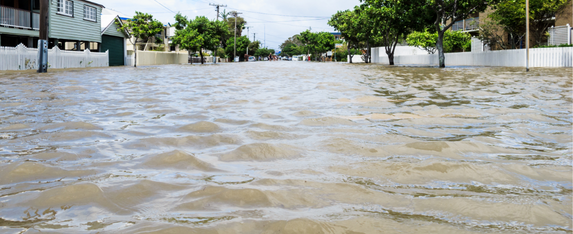
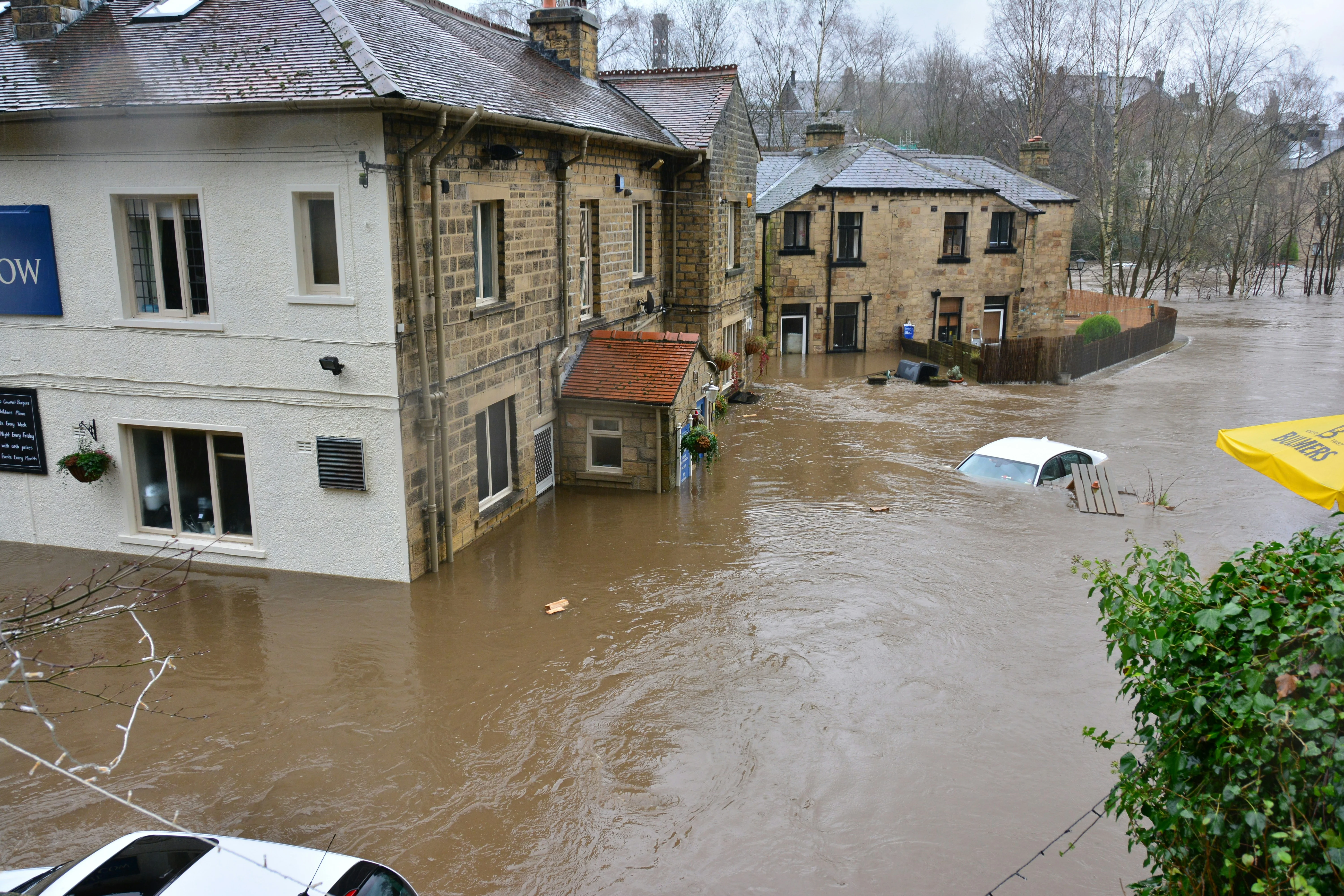
When storms cause flooding, electricity can quickly become part of the emergency. Communications, shelters, medical equipment, command centers, charging, lighting and other services still need power even when the main grid is damaged or unavailable.
The National Weather Service recommends preparing for possible power loss during flooding and making sure backup power is available for operations that cannot afford to go without electricity.
Generators are key to many emergency plans, but a long outage can create another problem: keeping them fueled. Flooded, damaged or closed roads can make diesel deliveries difficult at the same time more facilities are depending on backup power.
That is why emergency managers need to consider more than whether a generator is available. How long can backup power run if fuel cannot get through? What happens if an operation has to move? Can temporary power be brought to another location quickly?
California Is Preparing Before the Storms Arrive
Newsom's emergency proclamation puts a heavy emphasis on preparing before communities are dealing with the worst weather. State agencies have been directed to stage sandbags, pumps and other flood-fighting supplies, while Caltrans will pre-position road-closure, traffic-control and snow-removal equipment in vulnerable areas.
The state is also preparing the California National Guard to assist with flood response, search and rescue, engineering and logistics if needed.
That kind of advance planning is also important at the local level. Emergency teams may have plans for staffing, shelter operations and communications, but those systems can only work if they have reliable power.
For agencies reviewing their El Niño plans now, it is worth asking where backup power fits into the same pre-positioning strategy being used for pumps, sandbags, road equipment and other emergency resources.
Where Mobile, Self-Generating Power Fits
Mobile power gives emergency teams more flexibility when conditions change. Teams can position a system before severe weather arrives and then move it where it is needed rather than keeping it tied to one location.
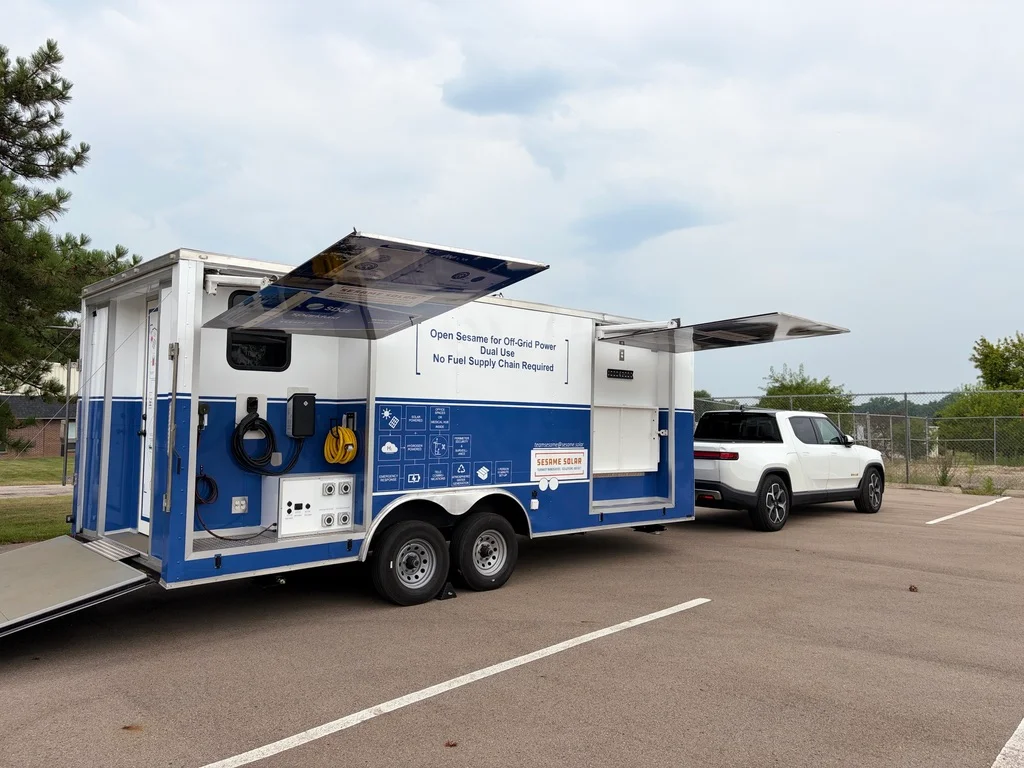
Sesame Solar Mobile Nanogrids use solar power, batteries and clean hydrogen to provide off-grid power without requiring continuous diesel deliveries. They are designed for rapid deployment and can support emergency communications, command centers, medical services, charging and mobile workspaces.
This can be especially useful for healthcare and emergency services, where power may be needed at several locations during the same emergency.
During a flood, those needs can change quickly. An Emergency Operations Center might be the priority at first, while later a shelter, communications site, temporary medical area or another part of the community could need power.
Lessons From Previous Disasters
After Hurricane Ian hit Florida, Sesame Solar sent Mobile Nanogrids to places where power and fuel were hard to get. Responders still needed electricity for communications and other emergency work, even though roads and infrastructure were damaged. The Mobile Nanogrids gave them off-grid power without needing regular diesel deliveries.
California communities are getting ready for similar problems. Santa Barbara County's Office of Emergency Management added a Sesame Solar Mobile Nanogrid Emergency Response Trailer to provide off-grid power during disasters and outages. The system can support communications, medical devices, charging, and other services when regular power is not available.
Plan for the Power Outage Before It Happens
No forecast can tell emergency managers exactly what will happen in their community months ahead. Even a very strong El Niño does not mean every part of Southern California will have severe flooding. As NOAA says in its current El Niño outlook, the usual impacts become more likely as El Niño gets stronger, but nothing is guaranteed.
California's decision to begin preparing now reinforces the value of asking these questions before storms arrive. Which operations need uninterrupted electricity? How long can current generators run if refueling becomes difficult? Are there locations that may need temporary power? Can backup power move if emergency operations have to relocate?
Floods and severe storms will always create situations that are difficult to predict. Making sure critical operations have access to power when the grid or fuel supply is disrupted is one part of the response that communities can prepare for ahead of time.
If your organization is updating its emergency power plans for the coming El Niño season, contact Sesame Solar to learn how Mobile Nanogrids can support your preparedness and response needs.
FAQ
Does California's state of emergency mean major flooding is certain?
No. The proclamation is a preparedness measure taken before winter storms intensify. El Niño increases the risk of strong storms and flooding in California, but neither the state nor NOAA is saying that every community will experience severe flooding.
What is California doing to prepare for El Niño?
The state is staging flood-fighting supplies and other equipment, preparing roads and critical infrastructure, supporting local flood-prevention work and preparing resources for search and rescue, logistics and other emergency needs. The state is also expanding public information about flooding, evacuation readiness and power outages.
Why can flooding cause problems for backup power?
Flooding can damage power systems and make roads difficult or impossible to use. Conventional generators may continue providing power, but longer outages can create problems if fuel trucks cannot reach the locations where they are needed.
Why is mobile power useful during an emergency?
The location that needs power can change during a response. Mobile systems can be moved to support shelters, communications, command operations, medical services, or other temporary operations rather than being limited to one permanent facility.
How are Sesame Solar Mobile Nanogrids different from diesel generators?
Sesame Solar Mobile Nanogrids use solar power, battery storage, and clean hydrogen to generate and store energy off-grid. They are built to operate without the continuous diesel deliveries required by conventional generators, lessening reliance on a fuel supply chain that may itself be disrupted during an emergency.
What can a Sesame Solar Mobile Nanogrid support?
The systems can be configured for emergency communications, command and control, charging, medical equipment, mobile workspaces, and other applications. The appropriate configuration depends on what an organization needs to keep operating during an outage.
