How Mobile Renewable Energy Can Revolutionize Disaster Response and Recovery
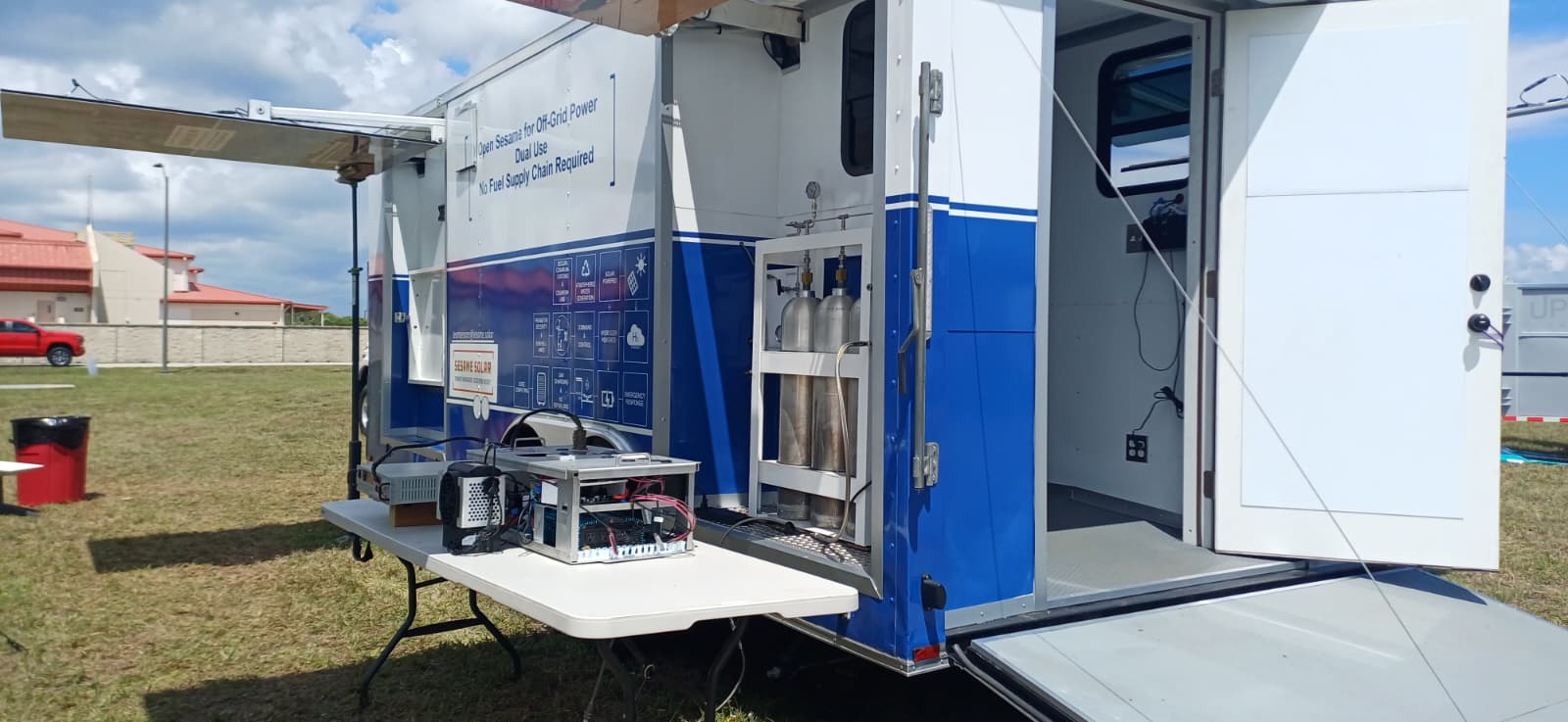
Disasters can leave communities without power for days, weeks, or longer, disrupting emergency response, healthcare, communications, and recovery. Mobile renewable energy solutions like Sesame Solar’s Mobile Nanogrids provide rapidly deployable, off-grid power for critical services, helping local governments, responders, and communities stay operational when traditional infrastructure fails.
Key Takeaways
- Reliable power is essential during disasters. Emergency responders, clinics, shelters, and communications systems need electricity immediately after hurricanes, wildfires, floods, and other emergencies.
- Diesel generators create logistical challenges. Fuel shortages, disrupted supply chains, maintenance needs, and emissions can limit their effectiveness during prolonged recovery efforts.
- Sesame Solar’s Mobile Nanogrids are designed for rapid deployment. These self-contained systems can be moved where power is needed and set up quickly without complex infrastructure.
- Mobile Nanogrids can support critical services. They can help power medical refrigeration, communications, emergency response centers, shelters, and other essential loads during outages.
- Mobile renewable power strengthens local preparedness. By adding Mobile Nanogrids to emergency response plans, communities can reduce dependence on fuel deliveries and improve resilience before the next disaster.
On March 19, 2025, President Donald Trump signed an executive order titled "Achieving Efficiency Through State and Local Preparedness," aiming to empower state and local governments in disaster preparedness and response. This policy shift emphasizes the importance of localized decision-making and infrastructure investments to enhance national resilience against threats such as wildfires and hurricanes, among others.
The executive order underscores that preparedness is most effectively managed at the state, local, and individual levels, supported by a competent federal government. It calls for a National Resilience Strategy to advance the nation's resilience and mandates a review of critical infrastructure policies to adopt a risk-informed approach. Additionally, the order introduces a National Risk Register to identify and quantify risks to national infrastructure, guiding smarter spending and planning.
In this context, mobile renewable energy solutions, such as Sesame Solar’s Mobile Nanogrids, align seamlessly with the executive order's objectives. These rapidly deployable, 100% renewable energy systems enable state and local entities to independently power critical infrastructure during disasters, reducing reliance on federal resources and fossil fuels. By integrating such technologies, communities can enhance their resilience, aligning with federal policy to bolster localized disaster preparedness and response.
The executive order's emphasis on empowering local preparedness and strategic infrastructure investments highlights the critical role of innovative solutions like Sesame Solar's Nanogrids in building a more resilient and self-reliant nation.

The Growing Need for Reliable Energy in Disaster Response
Natural disasters are becoming more frequent and severe due to climate change. Hurricanes, wildfires, earthquakes, and floods leave devastation in their wake, often knocking out power for days or even weeks. In these critical moments, emergency responders, hospitals, shelters, and relief efforts rely on immediate access to electricity for communication, medical care, and essential services.
Traditionally, disaster response has depended on diesel generators, but these come with significant challenges:
- Fuel Supply Issues: Diesel shortages are common in disaster-stricken areas, making it difficult to keep generators running.
- High Carbon Emissions: Fossil fuel generators contribute to air pollution and climate change, exacerbating the very disasters they are meant to help mitigate.
- Maintenance and Reliability Concerns: Generators require frequent maintenance and can fail under prolonged use.
To build a more resilient and sustainable disaster response system, communities need clean, mobile, and rapidly deployable energy solutions—a role that renewable energy Nanogrids are perfectly suited to fill.
The Role of Mobile Renewable Energy in Disaster Recovery
Mobile renewable energy solutions, such as Sesame Solar’s Mobile Nanogrids, provide fast, self-sufficient, and emissions-free power when and where it’s needed most. Unlike diesel generators, our Nanogrids operate on 100% renewable energy, combining solar power with green hydrogen for continuous off-grid operation.
How Mobile Renewable Energy Enhances Disaster Response
- Immediate Deployment & Rapid Setup
- Sesame Solar’s Nanogrids can be deployed within minutes, restoring power faster than fuel-dependent generators.
- No complex infrastructure is needed—units are fully self-contained and operational upon arrival.
- Reliable, Sustainable Power Supply
- Solar panels generate power during the day, while green hydrogen fuel cells provide energy at night or in cloudy conditions.
- Unlike diesel, solar and green hydrogen do not deplete or require supply chain logistics during a disaster.
- Supports Critical Services
- Hospitals & Clinics: Powering medical equipment, refrigeration for vaccines, and communication systems.
- Emergency Response Centers: Ensuring first responders stay connected and coordinated.
- Community Shelters: Providing heating, cooling, and charging stations for displaced individuals.
- Integrated Connectivity for Disaster Communication
- Many of these mobile power stations also include satellite internet, ensuring emergency teams and communities remain connected when cellular networks are down.
- Scalability & Mobility
- Unlike fixed solar installations, Nanogrids can be moved to different locations as disaster response efforts shift.
- Scalable solutions allow multiple Nanogrids to be deployed across an affected region for widespread coverage.
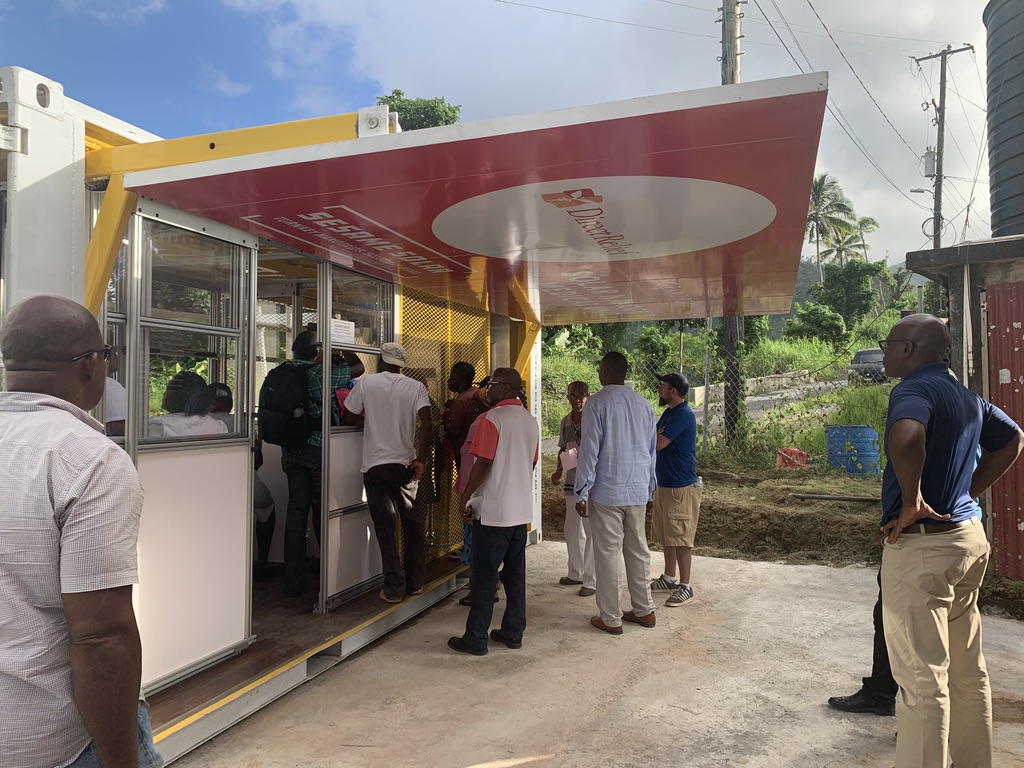
Sesame Solar's Nanogrids in Action
Case Study: Powering Disaster Recovery in the Aftermath of Hurricane Maria
When Hurricane Maria devastated Dominica in 2017, power was wiped out for months, leaving hospitals and emergency response teams struggling to operate. Sesame Solar deployed its Mobile Nanogrid to the Grand Fond Clinic, providing a 100% renewable power source for medical services in an area with no functioning grid.
This case demonstrated how mobile renewable energy solutions can:
- Restore critical operations in isolated areas
- Eliminate reliance on fossil fuels in crisis situations
- Reduce downtime and accelerate disaster recovery efforts
Building a More Resilient Future
As natural disasters intensify due to climate change, communities must rethink their approach to emergency preparedness. Investing in renewable, mobile energy solutions like Sesame Solar’s Nanogrids is no longer a luxury—it’s a necessity for resilience. These technologies provide a sustainable alternative to diesel generators, ensuring that critical infrastructure remains operational when traditional power sources fail.
One of the key advantages of mobile renewable energy is its ability to strengthen emergency response capabilities. When disaster strikes, first responders need immediate access to power for communication, coordination, and life-saving operations. Mobile Nanogrids can be deployed quickly to power emergency response centers, hospitals, and shelters, enabling these facilities to remain functional even in the most challenging conditions. Unlike fuel-powered generators, which rely on fragile supply chains that can be disrupted during crises, solar and green hydrogen-powered Nanogrids provide an independent energy source that does not deplete or require constant refueling.
Beyond immediate disaster response, mobile renewable energy solutions play a crucial role in reducing the environmental impact of disaster recovery efforts. Traditional generators release harmful emissions and contribute to air pollution, exacerbating health risks for already vulnerable populations. In contrast, solar and green hydrogen solutions operate with zero emissions, ensuring that recovery efforts do not worsen the long-term effects of climate change. By transitioning to clean energy alternatives, communities can adopt a more sustainable approach to disaster recovery that aligns with broader climate action goals.
Incorporating mobile renewable energy into disaster response plans also helps ensure sustainable power access in times of crisis. After major disasters, grid repairs can take weeks or even months, leaving residents and businesses without reliable electricity. Mobile Nanogrids provide an adaptable, long-term solution by delivering continuous power to critical sites. Whether stationed at a hospital, community center, or temporary relief camp, these Nanogrids offer a flexible and scalable energy source that can be moved as needs evolve. Their ability to integrate with satellite internet also ensures that communities remain connected, even when traditional communication infrastructure is compromised.
By proactively integrating mobile renewable energy into emergency preparedness strategies, governments, relief organizations, and businesses can create a more resilient infrastructure capable of withstanding future crises. The time to invest in these solutions is now—before the next disaster strikes.
Conclusion
The future of disaster response and recovery is renewable, mobile, and resilient. Mobile solar + green hydrogen nanogrids offer a faster, cleaner, and more reliable alternative to traditional diesel generators, ensuring that communities bounce back stronger after disasters.
With innovative solutions like Sesame Solar’s Mobile Nanogrids, the ability to provide immediate, sustainable energy during crises is no longer a challenge—it’s a reality.
Is your community prepared for the next disaster?
Now is the time to integrate mobile renewable power into emergency response plans.

FAQ
What is mobile renewable energy?
Mobile renewable energy refers to portable power systems that use renewable sources such as solar power, often paired with battery storage or other backup technologies, to provide electricity where grid power is unavailable or unreliable.
How can Mobile Nanogrids help during disaster response?
Mobile Nanogrids can be deployed to power critical loads such as emergency communications, medical equipment, refrigeration, lighting, device charging, and response coordination centers when the grid is down.
Why are Mobile Nanogrids useful compared with diesel generators?
Unlike diesel generators, Mobile Nanogrids do not depend on continuous fuel deliveries. This is especially important after disasters, when roads may be blocked, fuel may be scarce, and supply chains may be disrupted.
Can Mobile Nanogrids power an entire hospital?
Mobile Nanogrids are best suited for critical loads, temporary facilities, clinics, shelters, communications, refrigeration, and targeted emergency operations. Powering an entire hospital would depend on the size of the facility and its energy requirements.
Who can use mobile renewable energy in disaster preparedness?
Local governments, emergency management agencies, healthcare providers, utilities, relief organizations, military teams, and community resilience planners can all use mobile renewable energy as part of disaster preparedness and recovery planning.
