Emergency Power for Medical Refrigeration, Communications, and Critical Healthcare Loads
Excerpt
When the electric grid fails, healthcare providers must quickly determine which systems are essential to maintaining patient care. While large hospitals rely on permanent emergency power systems, many rural clinics, tribal health centers, mobile medical units, village hospitals, and disaster response sites need practical solutions that keep their most critical operations running. This article explores how emergency power planning should prioritize medical refrigeration, communications equipment, patient intake, essential lighting, and other critical healthcare loads. It also explains how Mobile Nanogrids can provide rapidly deployable off-grid power to support healthcare continuity in remote and disaster-affected communities while reducing dependence on fuel logistics. By focusing on powering what matters most, healthcare organizations can better protect medications, preserve communications, and continue serving patients during emergencies.
Key Takeaways
- During power outages, healthcare facilities should prioritize critical loads such as medical refrigeration, communications equipment, essential lighting, and patient intake systems rather than attempting to power an entire facility.
- Medical refrigeration is one of the highest-priority healthcare loads because vaccines, medications, insulin, laboratory samples, and temperature-sensitive supplies can quickly become unusable without reliable backup power.
- Communications systems—including radios, satellite terminals, Wi-Fi, laptops, and telehealth equipment—are essential for coordinating patient care and emergency response during disasters.
- Mobile Nanogrids provide rapidly deployable off-grid power for defined critical healthcare loads in rural clinics, tribal health centers, mobile medical units, emergency shelters, disaster response operations, and village hospitals.
- Effective emergency preparedness begins with identifying which systems must remain operational, assigning load priorities, and developing a deployment plan before disasters occur.
- Diversifying emergency power strategies with renewable mobile power solutions can reduce dependence on fuel deliveries during extended emergencies while improving operational resilience.
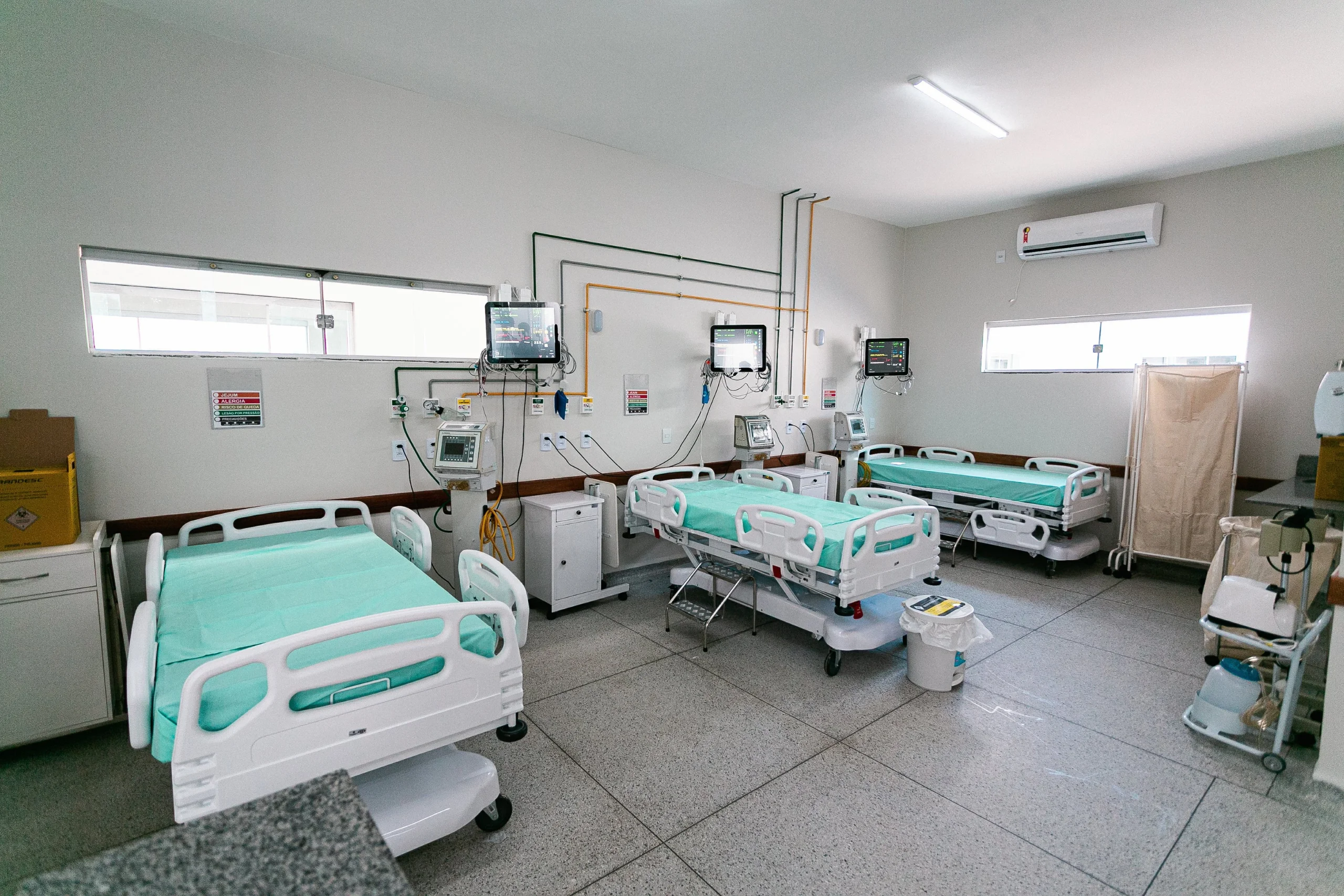
When the power goes out, healthcare teams have to make fast decisions about what must keep running.
In a large hospital, emergency power planning can involve complex building systems, life safety systems, surgical suites, diagnostic equipment, HVAC, elevators, medical gases, IT systems, and code-required backup infrastructure. But in rural clinics, tribal health centers, mobile medical sites, village hospitals, public health offices, emergency shelters, and disaster response locations, the immediate power challenge is often more focused: keep the most important healthcare functions operating until normal power returns or additional support arrives.
That usually means protecting medical refrigeration, keeping communications online, charging essential equipment, powering limited lighting, supporting patient intake, and maintaining a safe operating area for medical teams.
This is where Mobile Nanogrids can play a practical role, by providing rapidly deployable, off-grid power for clearly defined critical healthcare loads in remote, mobile, or disaster-affected environments.
Why Critical Healthcare Loads Matter During an Outage
Not every healthcare load has the same priority during an emergency.
Some systems are essential to life safety. Some protect medications, vaccines, or lab samples. Some keep care teams connected. Some support patient registration, telehealth, public health reporting, or coordination with hospitals and emergency management agencies.
When backup power is limited, healthcare leaders need to identify the loads that matter most. This is especially important for smaller facilities and temporary response sites where the goal is not to power everything, but to preserve essential healthcare functions.
Critical healthcare loads may include:
- Medical refrigerators and freezers
- Vaccine and medication storage units
- Temperature monitoring systems
- Communications equipment
- Radios, routers, satellite terminals, phones, and laptops
- Basic lighting for clinical work areas
- Medical device charging
- Oxygen concentrator charging or support areas, where appropriate
- Patient intake and records equipment
- Small diagnostic or monitoring devices
- Clean water and sanitation support systems
- Security, wayfinding, and emergency operations equipment
A practical emergency power plan starts with this question: What must remain operational to protect patients, preserve medical supplies, and keep care teams connected?
Medical Refrigeration: Protecting Vaccines, Medicines, and Lab Supplies
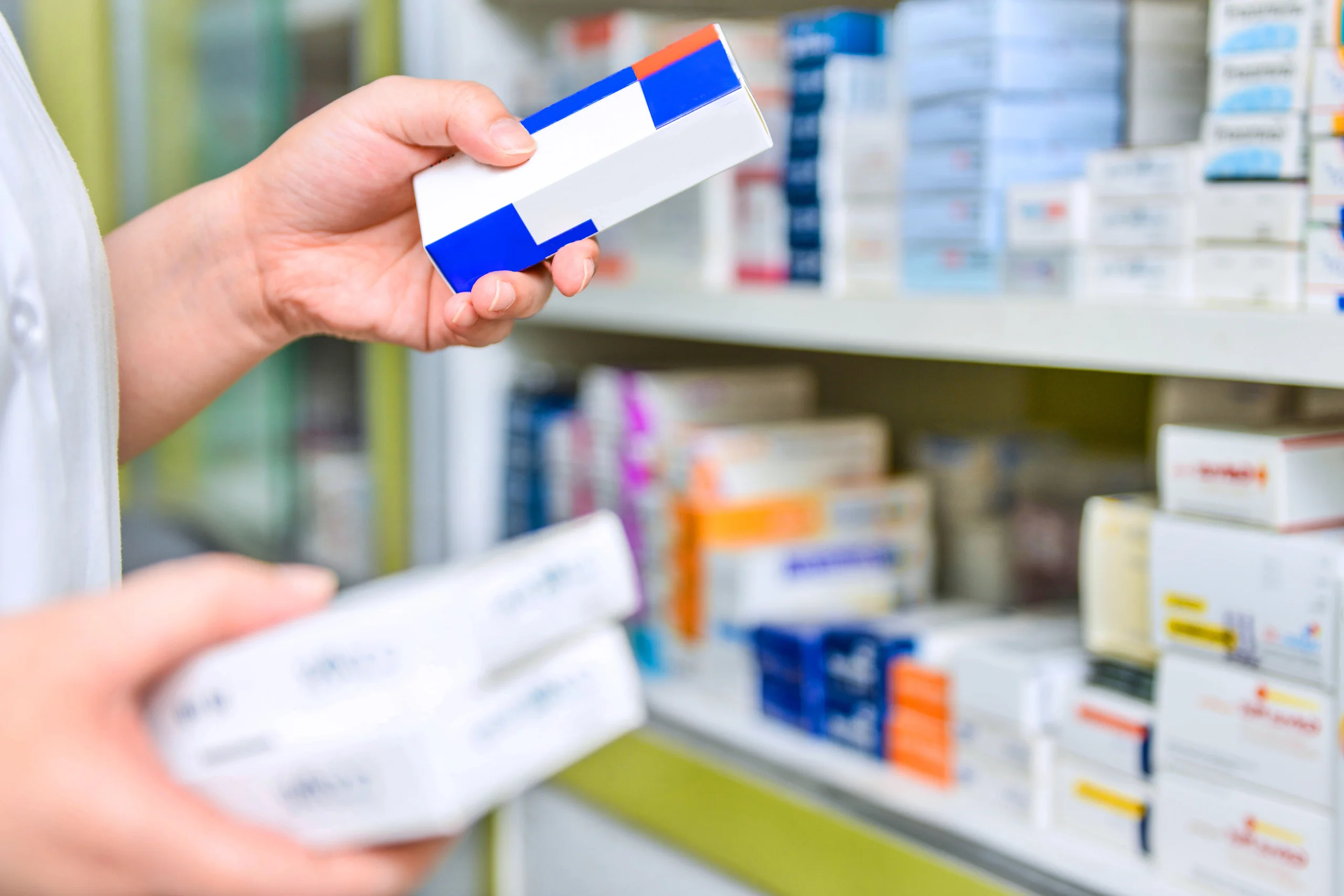
Medical refrigeration is one of the most important and time-sensitive healthcare power needs during an outage.
Vaccines, insulin, certain medications, test kits, lab samples, and other temperature-sensitive supplies can be compromised if storage conditions fall outside required ranges. For rural clinics, pharmacies, public health departments, and mobile medical teams, losing refrigeration can mean losing access to essential healthcare resources exactly when they are needed most.
Emergency power for medical refrigeration should be planned before an outage occurs. Facilities and response teams need to know:
- Which refrigerators and freezers store critical medical supplies
- What temperature range must be maintained
- Whether units have continuous temperature monitoring
- How long the storage units can maintain safe temperatures without power
- Which units should be connected to backup power first
- Whether vaccines or medicines can be safely transported if the outage is extended
- Who is responsible for monitoring and documenting temperature conditions
A Mobile Nanogrid can support this plan by providing off-grid power for prioritized refrigeration units and temperature monitoring equipment. For mobile clinics, remote care sites, temporary vaccination sites, or disaster response operations, this can help protect medical supplies without relying entirely on fuel deliveries or the local grid.
Communications: The Backbone of Healthcare Continuity
Power loss is also a communications problem.
During a disaster, clinics and emergency response teams need to communicate with hospitals, EMS, pharmacies, public health agencies, emergency operations centers, utilities, and community leaders. Patients may need access to telehealth when roads are closed, specialists are far away, or facilities are damaged. Response teams may need to share status updates, request supplies, coordinate patient transfers, and receive public safety information.
Without power, communications can fail quickly. Phones run out of battery. Wi-Fi routers shut down. Radios and laptops need charging. Satellite systems and mobile hotspots need reliable power. Patient intake and digital records can become difficult to access.
Mobile Nanogrids can help support communications continuity by powering:
- Wi-Fi and network equipment
- Satellite communications systems
- Radios and repeaters
- Laptops and tablets
- Phone charging stations
- Telehealth equipment
- Emergency operations workstations
- Printers, scanners, and basic administrative devices
For rural, tribal, island, and disaster-affected communities, communications power can be just as important as clinical power. If healthcare teams cannot communicate, coordinate, or document care, the overall response becomes more difficult.
Critical Healthcare Loads: Power What Matters Most First
Emergency power planning becomes more effective when healthcare teams separate “nice to have” loads from “must have” loads.
A Mobile Nanogrid should be sized and deployed around a clear load plan. The goal is not to plug everything in on-site. The goal is to support the equipment and services that preserve patient safety, the integrity of medical supplies, and response coordination.
A practical load prioritization process may include three levels.
Level 1: Must-run loads
These are the highest-priority loads. They may include medical refrigeration, temperature monitoring, communications equipment, essential lighting, and specific medical devices needed for immediate care or patient support.
Level 2: Important operational loads
These loads support healthcare delivery but may not be immediately life-safety critical. They may include laptops, printers, patient intake systems, telehealth stations, charging areas, small diagnostic equipment, and limited climate control for defined areas.
Level 3: Comfort and support loads
These may include additional lighting, staff workstations, device charging for the public, signage, nonessential appliances, or broader facility support. These loads may be useful, but should not consume power needed for medical refrigeration, communications, or patient care.
This prioritization helps healthcare teams use emergency power more effectively. It also helps emergency managers, facility leaders, and mobile power providers determine the right system size and deployment strategy.
Where Mobile Nanogrids Fit
Mobile Nanogrids are especially useful when healthcare power needs are temporary, mobile, remote, or distributed across multiple sites.
They can support:
- Rural health clinics during grid outages
- Tribal health centers and community resilience sites
- Island healthcare operations after storms
- Mobile medical clinics
- Emergency vaccination or medication distribution sites
- Public health outreach operations
- EMS staging areas
- Disaster medical tents
- Community shelters with healthcare support functions
- Communications hubs for emergency response
- Village hospitals or small medical facilities with defined critical loads
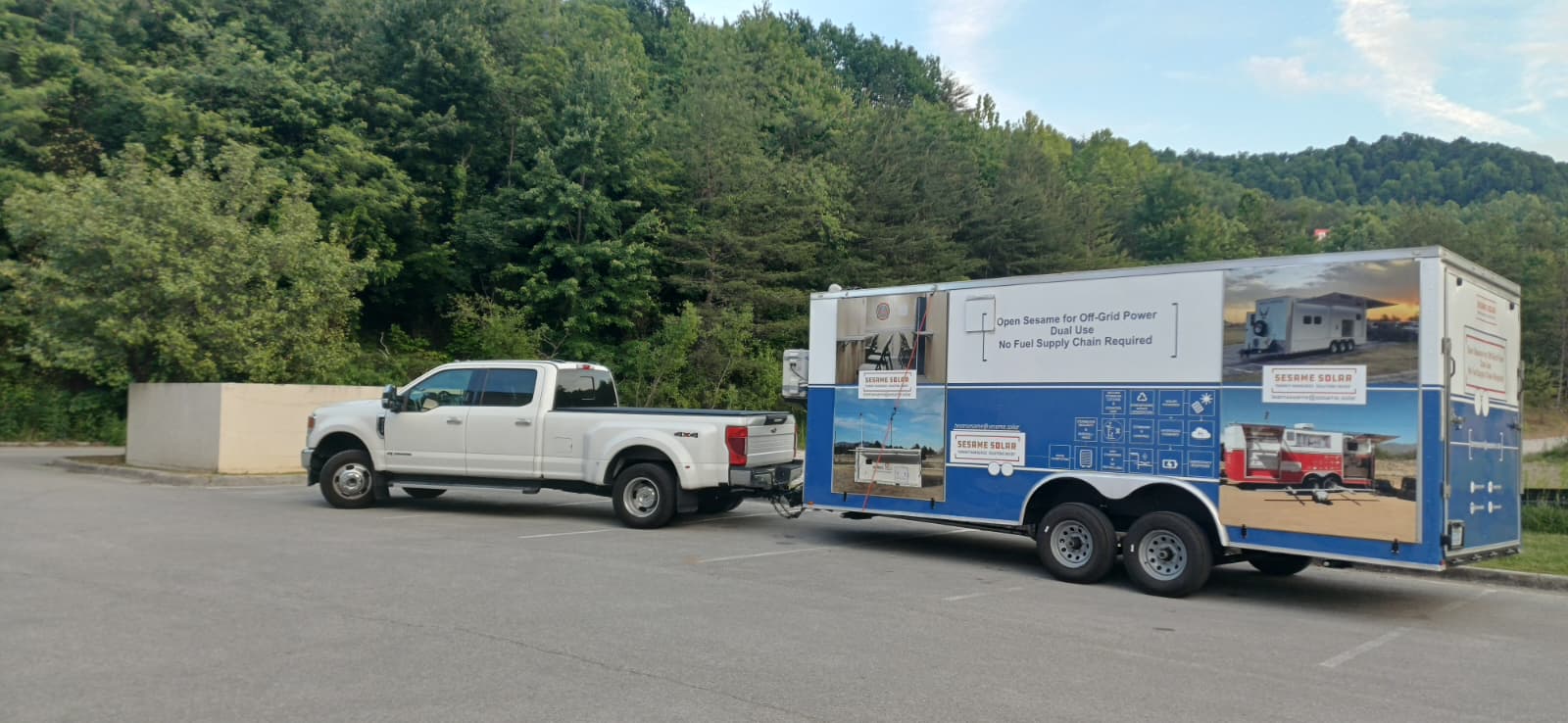
Because they are mobile, Nanogrids can be moved to the point of need. A unit can support a clinic, then be repositioned to a shelter, emergency command post, mobile care site, or communications location as the response evolves.
This flexibility matters because disasters rarely follow a neat plan. Roads may close. Buildings may be damaged. Fuel deliveries may be delayed. The highest-priority site on day one may not be the highest-priority site on day three.
Reducing Reliance on Fuel Logistics
Traditional backup generators remain common in healthcare emergency planning, but they depend on fuel availability, maintenance, safe ventilation, and transportation access.
In major disasters, fuel can become difficult to obtain or deliver. Roads may be blocked. Ports may be disrupted. Multiple facilities may compete for the same fuel supply. Generator noise, emissions, and carbon monoxide risk can also create problems near patients, staff, and community shelters.
Mobile Nanogrids that combine solar, battery storage, and green hydrogen can reduce dependence on continuous fuel delivery. For remote, rural, island, and disaster-affected communities, this can make emergency power planning more resilient and less dependent on outside logistics.
This does not mean every generator can or should be replaced. It means communities can diversify their emergency power strategy by adding clean, mobile power assets that are well-suited for critical loads, communications, medical refrigeration, and mobile healthcare operations.
Practical Planning Questions
Before deploying emergency power for healthcare continuity, organizations should answer practical questions.
For medical refrigeration
- What needs to stay cold?
- What temperature range is required?
- How many refrigerators or freezers need backup power?
- Are temperature logs and monitoring systems available?
- How long can supplies remain safe without power?
- Is there a plan to relocate supplies if the outage continues?
For communications
- What systems are required for emergency coordination?
- Is satellite communication needed if cellular networks fail?
- Which devices need continuous power?
- How many phones, radios, laptops, or tablets need charging?
- Who needs access to the powered communications area?
For clinical and operational loads
- Which equipment is essential for basic care?
- Which lights must remain on for safe operations?
- Are there patients who rely on electrically powered medical equipment?
- Is there a designated charging area for medical devices?
- Which loads can be delayed, rotated, or turned off?
- Who decides load priority during an emergency?
For deployment
- Where should the unit be staged before a known event?
- Who is trained to operate it?
- How will it connect to the intended loads?
- Is the deployment site accessible by truck, trailer, or other transport?
- What security, weather, and staffing needs should be considered?
- How will the system fit into the broader emergency operations plan?
These questions help turn emergency power from a general concept into a practical healthcare continuity plan.
Avoiding Overpromising: What Mobile Nanogrids Are and Are Not
For healthcare applications, it is important to be clear about the role of mobile power.
A Mobile Nanogrid can support defined critical loads. It can help power medical refrigeration, communications, lighting, device charging, clean water systems, mobile care sites, and temporary healthcare operations. It can provide flexible support where the grid is down, fuel is delayed, or care needs to move closer to the community.
But a Mobile Nanogrid should not be described as a universal substitute for a hospital’s permanent emergency power system. Large hospitals have complex electrical infrastructure and regulatory requirements. Any healthcare power deployment should be planned with qualified facility, clinical, emergency management, and electrical professionals.
The strongest use case is not “power everything.” The strongest use case is “power what matters most.”
Building Healthcare Resilience Before the Next Outage
Emergency power works best when it is planned before the emergency.
Healthcare organizations, tribal nations, rural communities, island governments, public health agencies, and emergency managers can use mobile Nanogrids as part of a broader continuity strategy. The system can be pre-positioned before storms, deployed after disasters, used for exercises and training, and repurposed for community resilience when there is no active emergency.
The same mobile power asset that supports medical refrigeration during an outage may also support a vaccination site, communications hub, mobile clinic, emergency shelter, public health outreach event, or resilience center.
That flexibility is valuable because healthcare continuity is not confined to one building. It depends on a network of people, equipment, supplies, communications, and care sites that must keep working under difficult conditions.
The Bottom Line
During a power outage, healthcare teams do not always need to power an entire facility. But they do need to protect the functions that keep care available.
Medical refrigeration protects vaccines, medicines, and lab supplies. Communications keep healthcare teams connected. Critical loads support patient care, emergency coordination, and public health response.
Mobile Nanogrids can help communities support these essential functions with clean, rapidly deployable, off-grid power. For rural clinics, tribal health centers, island communities, mobile medical teams, and disaster response operations, this can make the difference between a healthcare service that shuts down and one that continues serving the community.
How Sesame Solar Mobile Nanogrids Support Healthcare Continuity
Sesame Solar Mobile Nanogrids provide rapidly deployable power for medical support, communications, emergency response, clean water, and off-grid operations. Whether supporting a rural clinic, tribal health center, mobile medical unit, emergency shelter, or disaster response team, Mobile Nanogrids help organizations keep critical healthcare functions operating when traditional power sources are unavailable or fuel logistics become challenging.
Contact Sesame Solar to learn how Mobile Nanogrids can support your healthcare continuity and emergency preparedness planning.

FAQ
What are critical healthcare loads?
Critical healthcare loads are the electrical systems that must continue operating during a power outage to protect patient safety and maintain essential healthcare services. They often include medical refrigeration, communications equipment, patient intake systems, essential lighting, small diagnostic devices, and temperature monitoring equipment.
Why is medical refrigeration a top emergency power priority?
Vaccines, insulin, medications, laboratory samples, and other temperature-sensitive medical supplies require continuous refrigeration. Losing power for an extended period can compromise these supplies, disrupt patient care, and create significant financial losses.
Why are communications systems essential during disasters?
Healthcare providers rely on communications to coordinate with hospitals, EMS, emergency management agencies, pharmacies, utilities, and public health officials. Maintaining power for radios, satellite systems, Wi-Fi, telehealth equipment, laptops, and phones helps ensure response teams remain connected throughout an emergency.
Can a Mobile Nanogrid power an entire hospital?
No. Mobile Nanogrids are designed to support defined critical loads rather than replace a hospital's permanent emergency electrical system. They are particularly well suited for powering essential equipment at rural clinics, mobile medical units, emergency shelters, disaster response sites, and other facilities with clearly identified priority loads.
Where are Mobile Nanogrids most useful for healthcare?
They are especially valuable in rural communities, tribal nations, island communities, disaster response operations, mobile clinics, emergency vaccination sites, village hospitals, EMS staging areas, public health outreach programs, and temporary healthcare facilities where reliable off-grid power is needed.
How do Mobile Nanogrids improve emergency preparedness?
Because they are mobile and rapidly deployable, Mobile Nanogrids can be pre-positioned before storms, moved between response locations, and used for multiple missions. They help communities maintain essential healthcare functions even when fuel deliveries are delayed or the electric grid is unavailable.
