Is Your Community Prepared for a Power Outage?
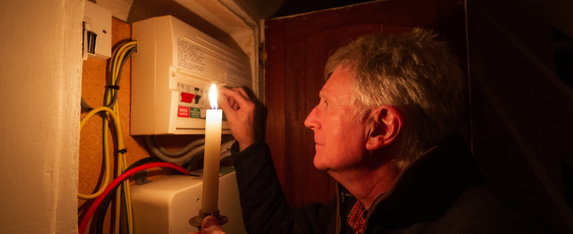
Power outages can disrupt communications, healthcare, water systems, emergency response, and other essential services. This article explains how communities can strengthen energy resilience planning and use Sesame Solar Mobile Nanogrids to provide fast, mobile backup power when the grid goes down.
Key Takeaways
- Power outages are becoming a greater risk due to severe weather, aging infrastructure, rising electricity demand, and grid vulnerabilities.
- Communities need energy resilience plans that identify critical facilities, backup power needs, emergency coordination steps, and resident preparedness measures.
- Traditional diesel generators can be limited by fuel availability, emissions, maintenance needs, and supply chain disruptions during disasters.
- Sesame Solar Mobile Nanogrids provide rapidly deployable, off-grid power using solar and green hydrogen, helping support critical services without relying on diesel fuel.
- Mobile Nanogrids can support emergency response centers, community shelters, healthcare facilities, communications, refrigeration, and other essential loads during outages.
- Local preparedness is increasingly important as federal policy emphasizes state, local, and individual roles in resilience planning.

The Growing Risk of Power Outages
In an era of extreme weather events, aging infrastructure, and increasing energy demands, power outages are becoming more frequent and severe. From hurricanes and wildfires to winter storms and heat waves, disruptions to the electrical grid can have catastrophic consequences—especially for emergency response centers, hospitals, and essential services.
Without power, communities face a domino effect of failures: communication networks shut down, food and medical supplies spoil, water treatment plants cease operation, and emergency response efforts are hindered. Given these risks, it is critical for communities to establish energy resilience plans to mitigate disruptions and ensure rapid power restoration.
The urgency of this issue has been recognized at the federal level. On March 19, 2025, President Donald Trump signed an executive order, "Achieving Efficiency Through State and Local Preparedness," emphasizing the importance of localized decision-making and infrastructure investments to enhance national resilience. This policy shift reinforces the idea that disaster preparedness is most effectively managed at the state, local, and individual levels, with federal support serving as a strategic backup.
A key component of this executive order is the development of a National Resilience Strategy, which encourages communities to implement risk-informed infrastructure policies and prioritize localized energy solutions. It also establishes a National Risk Register to identify vulnerabilities and guide smarter investments in disaster preparedness—further underscoring the need for reliable, sustainable backup power solutions at the community level.
What is an Energy Resilience Plan?
An energy resilience plan is a strategy that communities develop to prepare for, withstand, and quickly recover from power outages. It includes:
- Backup Power Solutions: Identifying renewable and mobile energy options to keep critical facilities running.
- Emergency Response Coordination: Ensuring first responders, hospitals, and shelters have access to reliable electricity.
- Grid Modernization: Investing in decentralized and microgrid technologies to reduce reliance on centralized power sources.
- Community Education: Informing residents and businesses about preparedness measures, backup power options, and emergency protocols.
The Role of Renewable Mobile Power Solutions
Traditional backup power systems, such as diesel generators, come with limitations. They rely on fuel supply chains that may be disrupted during disasters, emit harmful pollutants, and require frequent maintenance. In contrast, mobile renewable power solutions offer clean, reliable, and independent sources of electricity.
Sesame Solar's Nanogrids: A Case Study in Rapid Energy Resilience
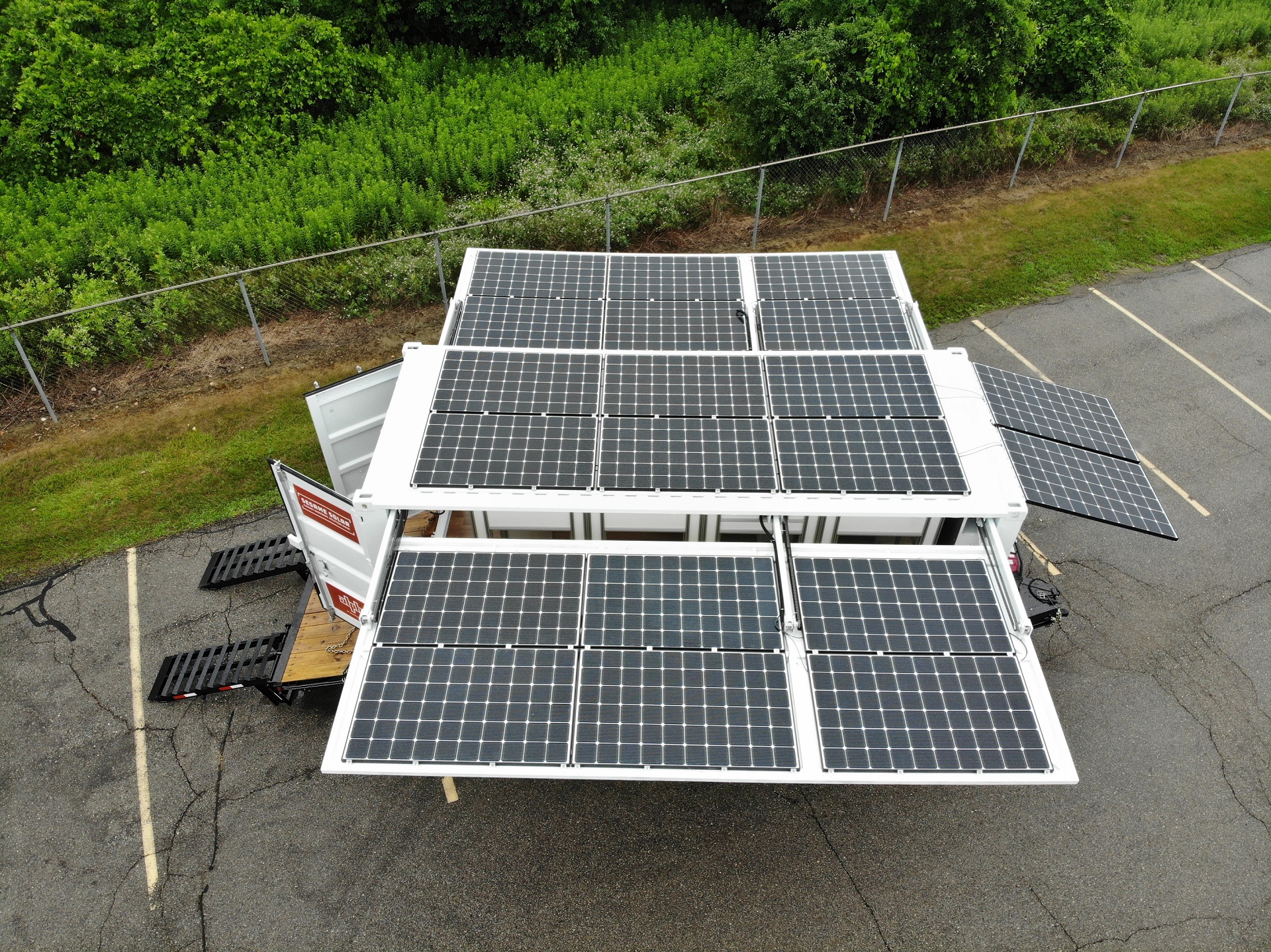
One of the most innovative solutions for disaster preparedness is Sesame Solar’s Mobile Nanogrid—a self-sustaining, solar + green hydrogen-powered energy system designed for rapid deployment. These Nanogrids provide off-grid power within minutes and eliminate the need for fossil fuels.
How Sesame Solar’s Nanogrids Strengthen Community Resilience:
- Fast Deployment: Unlike traditional backup power systems, Sesame Solar’s Nanogrids can be set up within 15 minutes, ensuring immediate energy access.
- 100% Renewable: Using solar power and green hydrogen, these systems generate electricity without harmful emissions or reliance on diesel fuel.
- Reliable Energy for Critical Services: Hospitals, emergency response centers, and community shelters can operate without disruption, even during prolonged outages.
- Mobile & Scalable: The Nanogrids can be moved to high-need locations, providing power exactly where it’s needed most.
- Integrated Connectivity: Many units come equipped with satellite internet, allowing communities to maintain communication even when cell towers fail.
Proven in Disaster Scenarios
Sesame Solar's Nanogrids have already demonstrated their effectiveness in real-world disaster recovery efforts. Following Hurricane Maria in 2017, the Grand Fond Clinic in Dominica faced a prolonged power outage that hindered medical services. A Sesame Solar Nanogrid was deployed to the clinic, restoring power and ensuring that healthcare workers could continue treating patients.
This example highlights how mobile renewable energy solutions can reduce downtime, enhance emergency response, and accelerate community recovery efforts.
Is Your Community Ready?
To ensure your community is prepared for the next power outage, consider these steps:
- Assess Vulnerabilities: Identify critical infrastructure and facilities that require uninterrupted power.
- Invest in Renewable Backup Power: Transition from fossil fuel-dependent generators to sustainable alternatives like solar nanogrids.
- Develop Emergency Energy Plans: Work with local governments and emergency response teams to create a comprehensive resilience strategy.
- Educate & Train Residents: Equip individuals and businesses with knowledge about power outage preparedness and available solutions.
Conclusion
Power outages are no longer rare events—they are an increasing reality. Preparing for grid failures means adopting resilient, mobile, and renewable energy solutions that can restore power quickly and sustainably. By integrating technologies like Sesame Solar’s Mobile Nanogrids, communities can protect critical services, reduce dependence on fossil fuels, and ensure that essential facilities remain operational when disaster strikes.
Is your community ready for the next power outage? The time to plan is now.
FAQ
What is an energy resilience plan?
An energy resilience plan is a community strategy for preparing for, responding to, and recovering from power outages. It identifies critical facilities, backup power needs, emergency response roles, communication protocols, and steps to keep essential services operating during grid disruptions.
Why are power outages a growing concern for communities?
Power outages are becoming more disruptive because communities rely heavily on electricity for communications, healthcare, water treatment, refrigeration, emergency response, and daily operations. Severe weather, aging infrastructure, cyber risks, and rising power demand can all increase the chance of outages.
What services are most vulnerable during a power outage?
Critical services such as emergency response centers, hospitals and clinics, shelters, water treatment systems, communications networks, food storage, medical refrigeration, and public safety operations can be heavily affected when power is lost.
How are Mobile Nanogrids different from diesel generators?
Mobile Nanogrids are designed to provide deployable off-grid power without depending on diesel fuel deliveries. Sesame Solar Mobile Nanogrids use solar and green hydrogen, reducing fuel logistics, emissions, and maintenance challenges that can complicate traditional generator use during emergencies.
How quickly can Sesame Solar Mobile Nanogrids provide power?
Sesame Solar Mobile Nanogrids are designed for rapid deployment and can begin providing power within minutes, helping communities respond quickly when grid power is unavailable.
What types of facilities can Mobile Nanogrids support?
Mobile Nanogrids can support critical community operations such as emergency response centers, temporary shelters, healthcare clinics, communications equipment, refrigeration, water support systems, and other essential loads.
Why does mobility matter in emergency backup power?
Mobility allows power to be sent where it is needed most. During a disaster, the highest-priority location may change quickly, so a mobile power solution can support shelters, clinics, response teams, or community hubs as conditions evolve.
How can a community start preparing for power outages?
A community can start by identifying critical infrastructure, assessing backup power gaps, coordinating with emergency response teams, investing in reliable mobile power options, and educating residents and businesses about outage preparedness.
