CleanTechnica: Combat Drones Are Pivoting Into Green Hydrogen Fuel Cells
Originally published by CleanTechnica on March 27, 2026. Written by Tina Casey. Republished here because it highlights the growing role of hydrogen-powered drones and mobile clean energy systems in defense and remote operations, including Sesame Solar’s Mobile Nanogrid solution.
Excerpt
A recent CleanTechnica article explores how combat and field drones are increasingly tied to green hydrogen fuel cells, with Sesame Solar mentioned as part of the emerging solution set. The piece highlights why mobile hydrogen generation, rapid deployment, and field refueling are becoming more important in defense and remote operations.
Editor’s Note:
This article is relevant to Sesame Solar because it reflects a broader shift in how unmanned systems are powered in the field. As defense, remote operations, and emergency response increasingly rely on drones and robotic systems, dependable mobile energy infrastructure becomes a much bigger part of operational readiness.
Key Takeaways
- Hydrogen fuel cells are gaining attention for drone and robotic operations because they can support longer endurance and faster field refueling in some use cases.
- The article shows that energy logistics are becoming just as important as aircraft or robotics performance.
- Sesame Solar is mentioned as part of the emerging ecosystem supporting hydrogen-enabled field operations.
- The broader trend points toward cleaner, mobile, and more self-sufficient power solutions for defense and remote operations.
- The opportunity extends beyond military use into disaster response, remote infrastructure, and other off-grid missions.
---------------------------------------
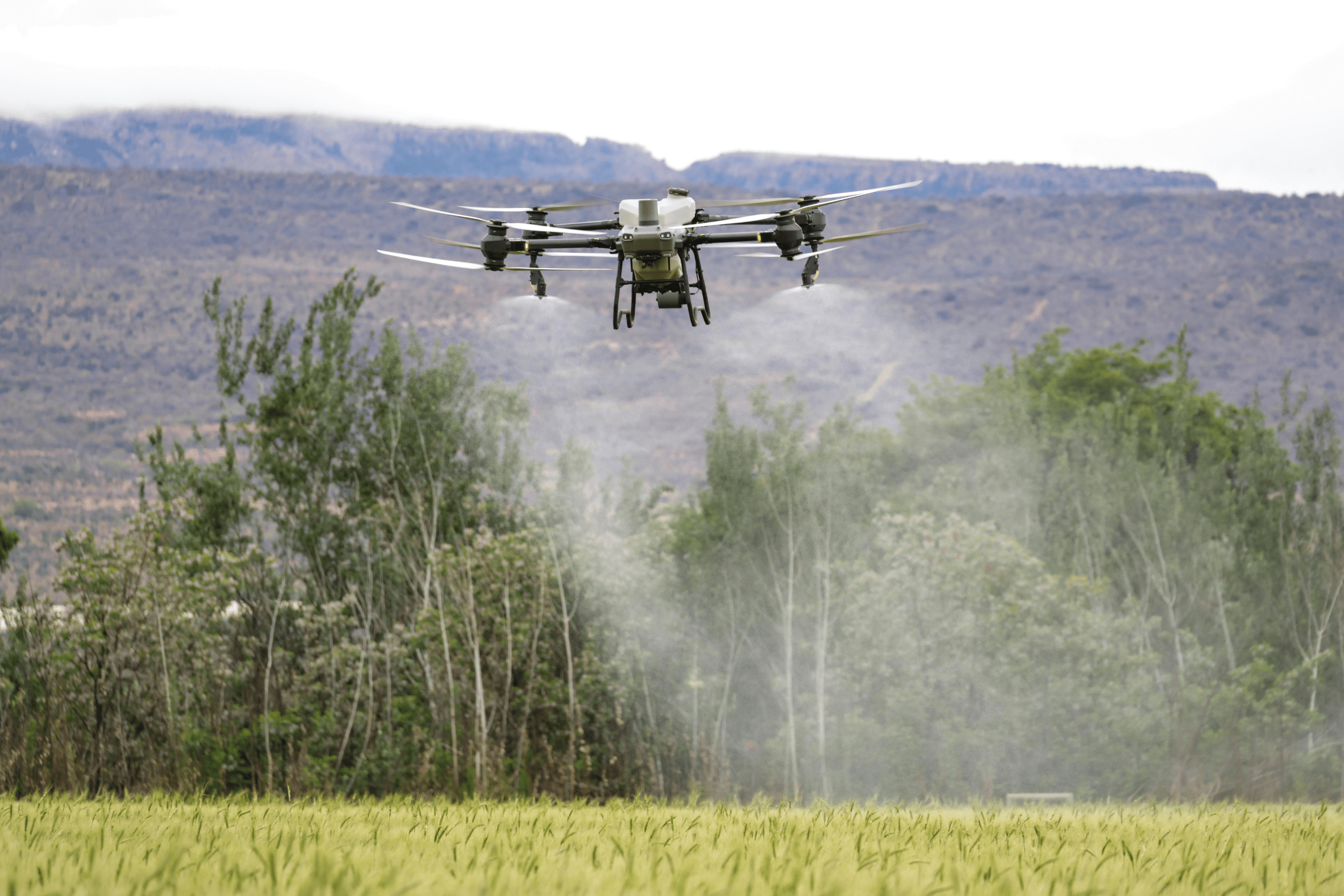
Drone warfare is front and center in Russia’s war against Ukraine and US President Donald Trump’s war against Iran. Much of the attention goes to unmanned aerial vehicles, but robotic applications on the ground are rapidly emerging as well. That brings up the question of how best to power these devices, and green hydrogen stakeholders are among those making the case for fuel cells.
The Robotic Army Of The Future Is Already Here
Ukraine’s years-long fight to hold its territory against a much larger, far more populous foe has stretched the ranks of its active duty military to the bone. However, Ukraine continues to muster up an effective fighting force, and drones are part of the reason why.
“Ukraine is no longer just supplementing its infantry with tech — it is replacing infantry in many cases with drones, ground robots, sensor networks, minefields and artillery cued by unmanned systems,” observes Defense News reporter Katie Livingstone.
The idea of robotic ground forces has been percolating in the US, too. Back in 2014, Scripps News summarized robotics-centered discussions under way at the US Army, which was casting an envious eye over at the Navy’s ability to run its ships with fewer personnel. The goal of replacing 25% of Soldiers with robots was under discussion at the time.
Out of necessity, Ukraine has leapfrogged ahead. In an interview posted on YouTube, the commander of Ukraine’s 3rd Army Corps, Andrei Biletsky, cited 30% as the replacement goal for 2026 — that’s right, this year — with the figure reaching as high as 80% in the future.
The Green Hydrogen Solution
The fuel cell angle is of interest to the extent that military applications can support early-stage industries with broader civic benefits. The US Air Force, for example, was instrumental in pushing the solar power market during the Obama administration, when PV costs were high and civilian uptake was low. Concurrently, the Department of Defense has been tinkering around the edges of green hydrogen, produced from water in electrolysis systems with a jolt of clean electricity from solar arrays. That includes mobile units for use in remote locations where water and sunlight are more accessible than trucked-in fuels.
With that in mind, let’s take a quick look back at the Michigan startup Sesame Solar. The company surfaced on the CleanTechnica radar last fall, when it partnered with the drone manufacturer Heven AeroTech on a mobile green hydrogen solution for Heven’s fuel cell UAVs, deploying solar power
“By generating its own power through solar energy, hydrogen generation, and low-pressure solid-state storage, Sesame’s Mobile DRNs function as the first closed-loop, mobile refueling stations for Heven’s Z-1 platform,” Sesame explained.
The Sesame “Mobile Nanogrid” is optimized for field assembly by a skeleton crew. One person can set up the system in about 15 minutes, including battery energy storage as well as hydrogen storage.
The setup supports Heven’s focus on rapid assembly in the field. “Upon arrival, drones can be assembled and deployed in just five minutes—no tools required—and refueled instantly from Sesame’s solid-state hydrogen tanks, eliminating wait times for hydrogen generation,” Sesame explained.
More Robots On The Ground
If you’re wondering why not just bottle up the solar energy for battery-powered drones, that’s a good question. Fuel cell advocates draw attention to longer flight times, larger payloads, and longer lifecycle, though batteries can also cover a wide range of applications.
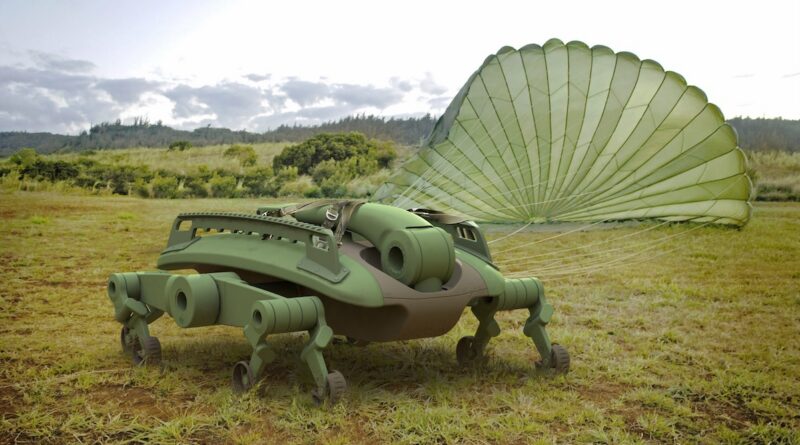
A combination of batteries and fuel cells is also emerging. Last month, for example, the Canadian firms First Hydrogen and Exodus Actuation Solutions Inc. (aka RoboticsCo) announced their intention to produce an unmanned ground vehicle for various applications beyond military purposes, deploying solar, batteries, and fuel cells.
“The functions are designed for military field support such [as] a drone launch and refueling platform, transport, equipment, security, tools, emergency packages, or other heavy items,” the partners explain, adding that the robot can perform similar functions in civilian life as well.
The two firms also take a minute to explicate the terminology. In popular usage, a drone is something that flies through the air, and a robot is something that goes on the ground. However, the terma are technically interchangeable. “Unmanned Ground Vehicles are considered ground-based drones, operating without an onboard human through remote control or autonomous systems to handle security surveillance, AI enabled ground military operations, dangerous sites or load management on land,” they explain.

Green Hydrogen And The Nuclear Connection
As the fuel supplier in the new partnership, First Hydrogen is focused on producing green hydrogen from water, deploying renewable energy to run the electrolysis systems. The company has also established a First Nuclear branch to enlist the new generation of SMRs (small modular nuclear reactors) to run electrolysis systems.
“These compact and efficient reactors offer a consistent and scalable energy supply, enabling continuous large-scale hydrogen generation while maintaining sustainability goals,” the company enthuses, though nuclear energy strains the meaning of “sustainability goals.”
Compared to solar and other renewables, SMRs are costly and largely unproven. The first SMRs in the US are not expected to produce electricity until 2030, barring the usual delays and cost over-runs typical of nuclear power plants. Meanwhile, new utility-scale solar power plants were already springing up by the handful last year despite President Trump’s anti-solar energy policy. More of the same is expected in the coming years.
Climate change is also putting a crimp in the nuclear plan. Back in 202, S&P Global was among those anticipating that “climate change-exacerbated water shortage issues pose a near-term and longer-term performance risk to power plants, such as hydropower and nuclear, around the world.”
More Green Hydrogen For The USA, Some Day
Nuclear energy aside, prospects for the green hydrogen industry here in the US dimmed after Trump took office last year and trashed the new Regional Clean Hydrogen Hubs program. The damage is done, though a glimmer of life remains in the ammonia fertilizer area.
Trump’s war in Iran has sent the cost of ammonia fertilizer through the roof in global markets, due to the industry’s dependence on natural gas to produce the hydrogen needed for ammonia (chemical formula NH3). Local electrolyzer facilities powered by wind or solar energy can provide a more economical alternative.
Farmers in the US have been impacted by the price spike as well. Although the US produces a significant amount of ammonia fertilizer domestically, farmers also import a significant quantity of fertilizer.
Keep an eye on Minnesota, where a US ag tech startup has launched an effort to establish a network of green ammonia fertilizer facilities powered by wind and solar. In addition to reducing and stabilizing fertilizer costs, the new facilities will also help wind turbine owners avoid curtailment-related revenue losses.
Photo: Green hydrogen is beginning to intersect with drone warfare and robotic devices on the ground as well as in the skies (unmanned hybrid battery and hydrogen fuel cell unmanned ground vehicle courtesy of First Hydrogen).

---------------------------------------
Why This Matters
As unmanned systems become more important in defense, disaster response, and remote operations, the question is no longer just what the drone can do — it is also how the mission stays powered. Longer endurance, quieter operation, reduced fuel logistics, and fast deployment all depend on having practical field-ready energy infrastructure. That is where mobile clean energy systems can become a strategic advantage.
FAQ
Why are hydrogen fuel cells attracting attention in drone operations?
Hydrogen fuel cells are attracting attention because they can help address some of the limitations that come with battery-only operations, especially in missions where endurance, turnaround speed, and range matter. In defense and remote-use environments, reducing downtime and extending operational capability can have real mission value. While batteries still play an important role, hydrogen is increasingly being considered where longer-duration performance and field refueling flexibility are priorities.
Why is this article relevant to Sesame Solar?
This article is relevant because it highlights a broader market shift that aligns with Sesame Solar’s work in mobile clean power and hydrogen-enabled field systems. Drones and robotic platforms do not operate in a vacuum; they need dependable infrastructure for power, refueling, and deployment. Sesame Solar’s Mobile Nanogrid approach fits into that larger conversation by supporting off-grid operations with transportable energy systems designed for real-world field conditions.
What role does mobile energy infrastructure play in drone operations?
Mobile energy infrastructure helps solve the operational side of deploying drones in remote, austere, or rapidly changing environments. It is one thing to have a capable aircraft, but it is another to keep it powered, refueled, and mission-ready without relying on fragile logistics or fixed infrastructure. Mobile power systems can help enable continuity in places where grid access is unavailable, diesel is limiting, or quick deployment is essential.
Are hydrogen-powered drones only relevant for military applications?
No. While defense is an important early-use case, the same operational benefits can apply in disaster response, humanitarian support, infrastructure inspection, remote communications, and other off-grid missions. Any use case that depends on extended runtime, field mobility, and resilient power logistics could potentially benefit from hydrogen-enabled systems or hybrid energy approaches.
Learn More About Mobile Clean Power for Defense and Remote Missions
