Blackouts Are Lasting Longer: Why Local Energy Resilience Matters More Than Ever
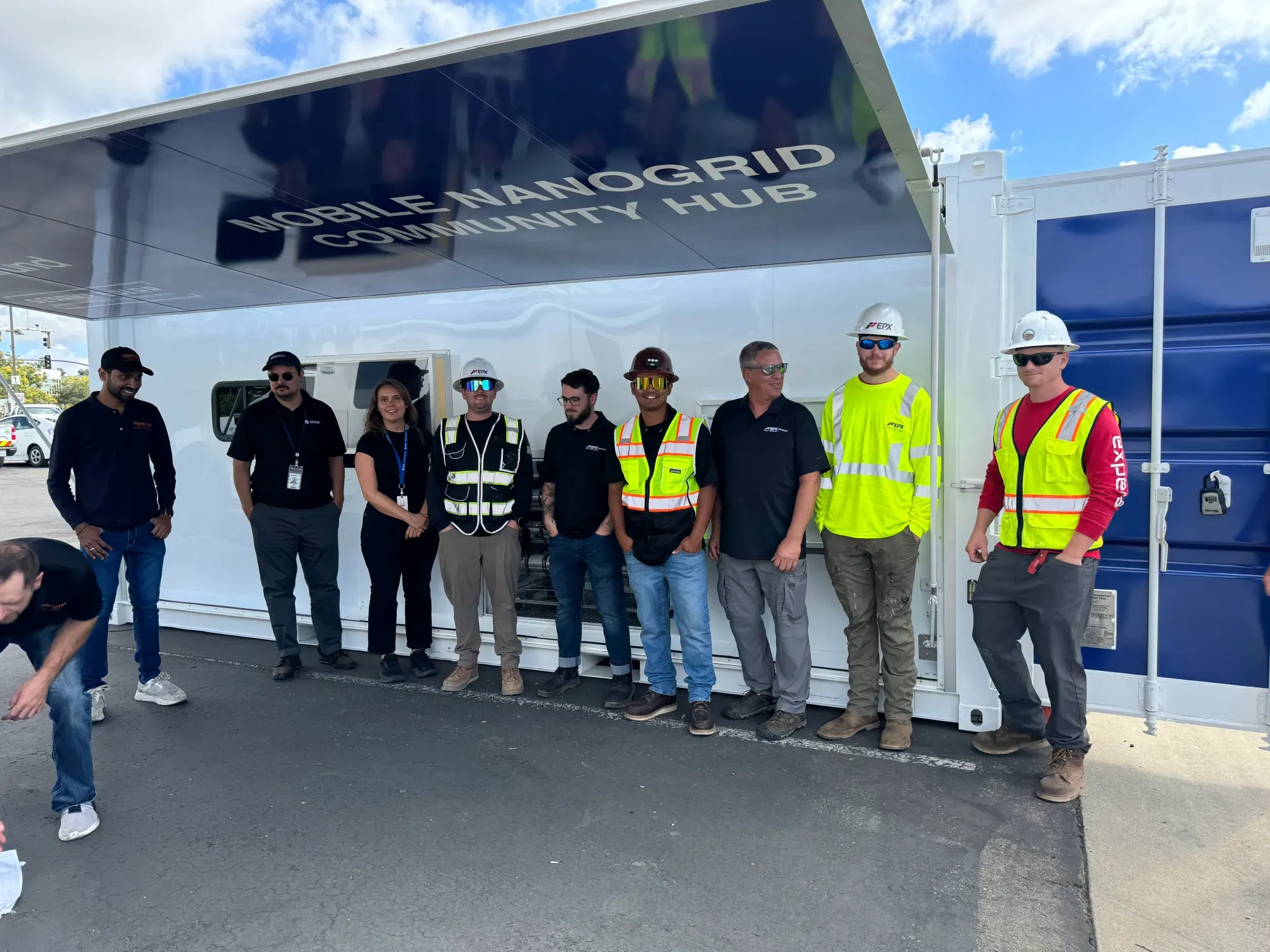
Excerpt
Power outages are becoming more common in the United States, and for many communities, they are lasting longer than they did just a few years ago. As utilities work to restore service after severe weather and other disruptions, local governments, emergency managers, and critical facilities need dependable ways to keep essential services running. This article explores what the latest outage data tells us, why local resilience matters more than ever, and how Mobile Nanogrids can help support continuity during emergencies.
Key Takeaways
- Power outages are becoming a broader resilience issue, not just a utility operations issue, as more Americans experience disruptions and restoration takes longer.
- Extreme weather is a major driver of outages, and the impacts extend beyond inconvenience to public safety, healthcare access, communications, and continuity of local services.
- Sesame Solar helps communities, utilities, and emergency partners maintain essential services during outages through mobile, clean, rapidly deployable power solutions.
- Utilities, municipalities, and emergency managers can strengthen preparedness by pairing restoration efforts with local continuity plans before the next outage happens.

Power outages are no longer rare disruptions for many communities. They are becoming a more visible part of life in an era shaped by extreme weather, rising electricity demand, and increasing pressure on critical infrastructure. What was once viewed mainly as a utility reliability issue is now also a community resilience issue, because when outages last longer, the consequences reach well beyond inconvenience. Schools, shelters, medical sites, communications systems, public safety operations, and local government services can all be affected.
Recent data shows why this matters. POWER magazine, citing the IEA and J.D. Power, reported that by mid-2025, 45% of U.S. utility customers had experienced at least one outage. Nearly half of those outages were tied to extreme weather. It also reported that the average duration of the longest outage had risen to 12.8 hours, up from 8.1 hours in 2022. That is a meaningful shift in only a few years, and it highlights a growing need for preparedness strategies that account not just for outages themselves, but for the longer periods communities may need to function before full restoration.
As power outages become more common and longer-lasting, the real challenge is not only restoring electricity. It is making sure communities can continue to support essential services while restoration is underway. This article looks at what the latest outage data tells us, why local resilience matters more than ever, and how mobile, rapidly deployable power can help fill critical gaps during emergencies.
A Longer Outage Changes the Stakes
An outage that lasts an hour is disruptive. An outage that lasts half a day or longer can become something much more serious. Food and medicine storage may be affected. Communications can become unreliable. Community facilities may be forced to close. Emergency shelters may need temporary power. Medical operations may need backup support. Public works and local response teams may be stretched across a wide area. These realities turn a power disruption into a broader resilience challenge.
The international picture reinforces that point. In its Electricity 2026 reliability analysis, the IEA noted that blackouts can affect large portions of economies and social life, and it documented multiple major 2025 events driven by extreme weather, equipment failures, and operational breakdowns. The report also highlighted that, during typhoon-related outages in Asia, hospitals, water facilities, and telecommunications stations had to rely on emergency generators to maintain essential services.
That is an important reminder for the United States as well. Outages are not only about darkness. They are about whether communities can continue to function safely and effectively when infrastructure is under stress.

Extreme Weather Is Making Resilience More Urgent
The IEA’s review of 2025 reliability events makes clear that extreme weather remains a major threat to electricity continuity. In the United States, the report points to widespread outages linked to winter storms, windstorms, fires, thunderstorms, hail, and other severe events. Similar patterns were documented internationally, where restoration was often slowed by damaged infrastructure, blocked roads, or the sheer scale of the event.
POWER’s summary of the trend captures the issue well: outages are happening in an environment where weather risk remains high, and restoration timelines can stretch longer when infrastructure damage is widespread.
For communities, that means preparedness cannot begin only after a storm hits. It has to include practical plans for maintaining continuity at the local level. That means identifying which services must stay online, which locations may need temporary power, and which partnerships should already be in place before an emergency unfolds.
The Right Question for Utilities and Communities
When discussions about reliability focus too heavily on grid mechanics, they can miss the issue that matters most to residents: what keeps working during an outage?
That is where utilities, municipalities, emergency managers, and community partners need to meet. Utilities are responsible for restoration and infrastructure operations. Communities are responsible for protecting people and maintaining essential local services. Those roles are different, but they are closely connected.
This is where local resilience strategies become valuable. A utility may be restoring lines and substations, but communities still need ways to support shelters, schools, medical facilities, local command posts, communications equipment, and other critical functions in the meantime. The gap between outage and restoration is where practical resilience tools matter most.
Where Sesame Solar Fits
Sesame Solar supports local resilience by helping organizations maintain essential services when outages disrupt normal operations. When communities lose power, the priority quickly becomes continuity — keeping critical sites functioning, supporting emergency response, and protecting the people who depend on those services.
Our Mobile Nanogrids are built for rapid deployment, quiet operation, and clean, dependable power. That makes them well suited for outage scenarios where shelters, schools, medical facilities, communications systems, or local command sites need temporary power, especially in environments where diesel may be difficult, disruptive, or less desirable. The value is practical and immediate: bringing power to the point of need while broader restoration efforts continue.
This is why Mobile Nanogrids can play an important role in utility and community preparedness strategies. They give local partners a flexible way to strengthen emergency planning, support critical services, and advance resilient clean energy goals at the same time.
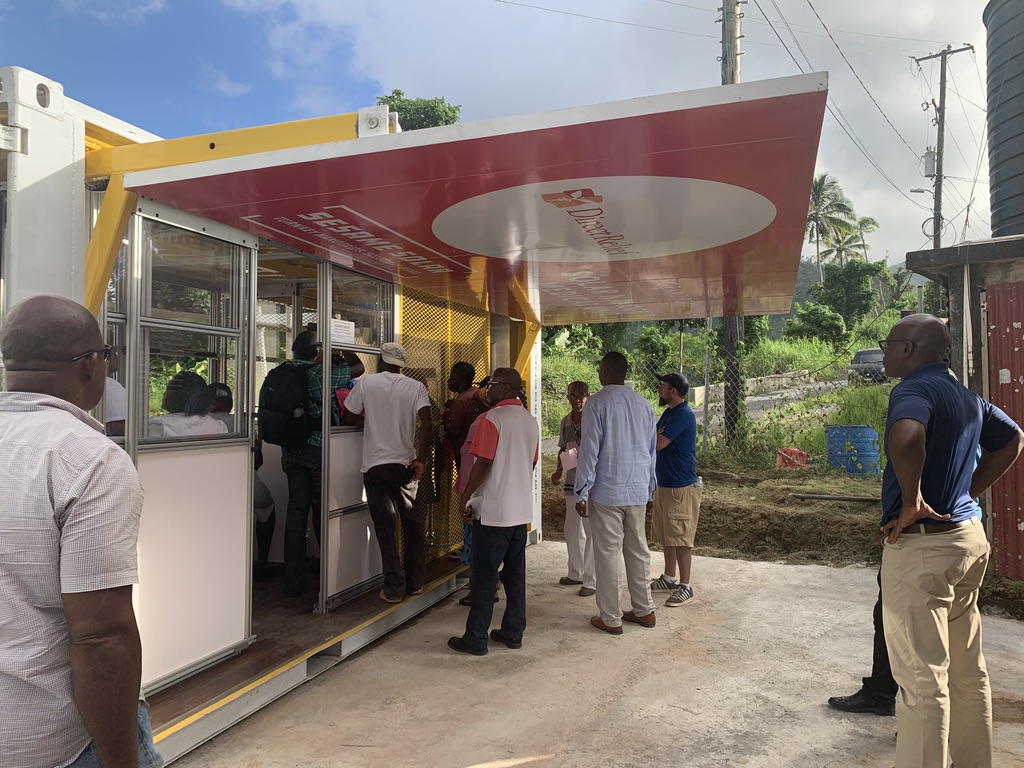
Mobile Power Is a Community Resilience Strategy
That distinction matters. When a blackout is tied to transmission issues, weather damage, or broader system stress, a Mobile Nanogrid is not a substitute for utility restoration. But it can be an effective tool for supporting continuity while restoration is underway.
In other words, mobile resilient power should be viewed as part of a community preparedness and response strategy (read our Ann Arbor, Michigan case study). It becomes especially useful when decision-makers ask questions such as:
- Which facilities need temporary power first?
- How do we support a shelter, clinic, or local emergency site if restoration takes longer than expected?
- How do we maintain critical communications in a community affected by widespread outages?
- How can we reduce dependence on fuel logistics in situations where access may be disrupted?
- How can we build preparedness in a way that also supports clean energy and sustainability goals?
These are practical questions. They are also the questions communities are increasingly being forced to answer.
The Bigger Resilience Lesson
The IEA’s broader resilience work offers a useful framework. In its 2026 Energy System Resilience executive summary, the agency says resilient energy systems are those that can prepare for disruptions, withstand shocks while maintaining operations, and rapidly restore service. It also emphasizes that distributed resources can serve as strategic resilience assets because they are easier to restore when damaged and can help maintain essential services when interconnected systems are disrupted.
That does not mean every distributed resource solves every resilience problem. But it does reinforce a key principle: resilience is stronger when it is not concentrated in a single point of failure. Communities benefit when they have flexible, local, deployable options that can support operations during emergencies.
For Sesame Solar, that principle is central. Local power resilience is about practical continuity. It is about helping communities stay safer, more connected, and more capable during the hours that matter most.
From Outage Trends to Local Action
The most important takeaway from the latest outage data is not simply that the grid is under pressure. It is that communities need to be better prepared for what happens in the gap between disruption and restoration. If more customers are losing power, and if the longest outages are stretching longer than they did just a few years ago, then local continuity planning becomes more urgent.
The answer is not fear. It is preparation. Utilities will continue to play the central role in grid restoration and long-term infrastructure planning, but community resilience cannot stop there. Local governments, emergency managers, school systems, health organizations, and infrastructure partners all have a role to play in determining how essential services will continue when outages occur.
That preparation can take many forms: identifying priority facilities, developing temporary power plans, strengthening coordination between utilities and community partners, and considering mobile clean power options that can be deployed where they are needed most. Public education matters too, because preparedness is stronger when communities understand both the risks they face and the solutions available to them.
This is also where Sesame Solar can support a broader resilience strategy. Mobile Nanogrids can help provide power for critical local needs during outages while also serving as visible examples of how solar and hydrogen technologies can support preparedness in real-world settings. For utilities and communities alike, they can support outreach, innovation, and sustainability goals alongside practical emergency planning.
In a world of longer outages and more disruptive weather, resilience is no longer only about restoring what failed. It is also about keeping critical services running while recovery is still in progress. That is the local resilience challenge — and the opportunity.

FAQ
1. How Does Sesame Solar Fit Into the Resilience Conversation?
Sesame Solar helps communities, utilities, and emergency partners keep essential services powered when outages disrupt normal operations. That can include supporting shelters, medical facilities, schools, emergency response sites, communications, and other critical local needs with mobile, rapidly deployable power. As outage data shows longer disruptions affecting more communities, the need for practical local resilience strategies continues to grow.
2. Why Are Longer Outages Such a Big Issue for Communities?
Longer outages create a different level of risk than short interruptions. When power is out for many hours, or even days, community systems begin to strain. Refrigeration for food and medicine becomes a concern. Emergency shelters may need dependable electricity. Medical and communications systems may need backup support. Public-facing services can slow or stop altogether. The IEA’s reliability analysis shows that in real blackout events around the world, hospitals, water systems, and telecommunications infrastructure often rely on emergency generation to keep essential services going. That is why the conversation should not only be about outage frequency. Duration matters because it determines how long communities must function before normal conditions return.
3. How Can Utilities Benefit From a Local Resilience Approach?
Utilities are on the front lines of restoration, but community resilience depends on more than restoring lines and substations. A local resilience approach gives utilities a way to work with municipalities, emergency managers, and other stakeholders to identify priority sites and continuity needs before an emergency occurs. This can strengthen public preparedness, reduce confusion during outages, and help ensure that essential services have support while crews restore the broader system. It also aligns with the IEA’s resilience principle that systems should be able to withstand shocks, maintain operations where possible, and restore service rapidly. Local resilience planning helps fill the operational gap between disruption and full restoration.
4. What Makes Mobile Nanogrids Relevant During Emergencies?
Mobile Nanogrids are relevant because they can bring power to the point of need instead of requiring the point of need to wait for permanent infrastructure to come back online. In an emergency, that flexibility matters. A rapidly deployable system can support local command posts, shelters, schools, clinics, or communications equipment depending on the situation. For communities and partners looking to reduce emissions and avoid some of the drawbacks of diesel-only approaches, Mobile Nanogrids also create a cleaner resilience option. They should not be viewed as a replacement for the electric grid, but they can be an important part of a broader preparedness toolkit when outages last longer than expected.
5. Why Is This Topic Especially Timely Now?
It is timely because multiple sources now point in the same direction. POWER magazine’s 2026 coverage, based on IEA findings and J.D. Power data, says that by mid-2025, 45% of U.S. utility customers had experienced at least one outage, and the average duration of the longest outage had increased to 12.8 hours from 8.1 hours in 2022. At the same time, the IEA has documented a series of major 2025 outage events driven by weather, equipment failure, and infrastructure stress. Together, these trends suggest that resilience planning should not be treated as optional or reactive. It should be part of how communities, utilities, and local institutions prepare for the years ahead.
