Mobile Hydrogen Powers Continuous Drone Operations
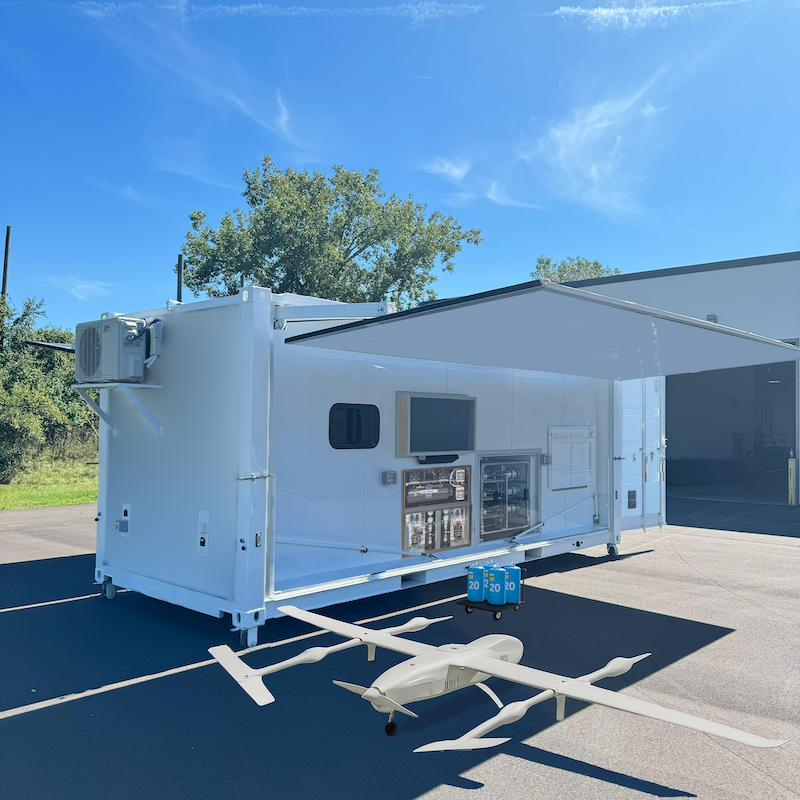
We ask a lot of drones today, between monitoring for fires, delivering aid, securing borders or even rebuilding communications after disasters. Yet their biggest limitation remains the same: endurance. Most spend hours recharging or waiting for refueling. What if that changed? What if drones could keep flying as long as the mission required?
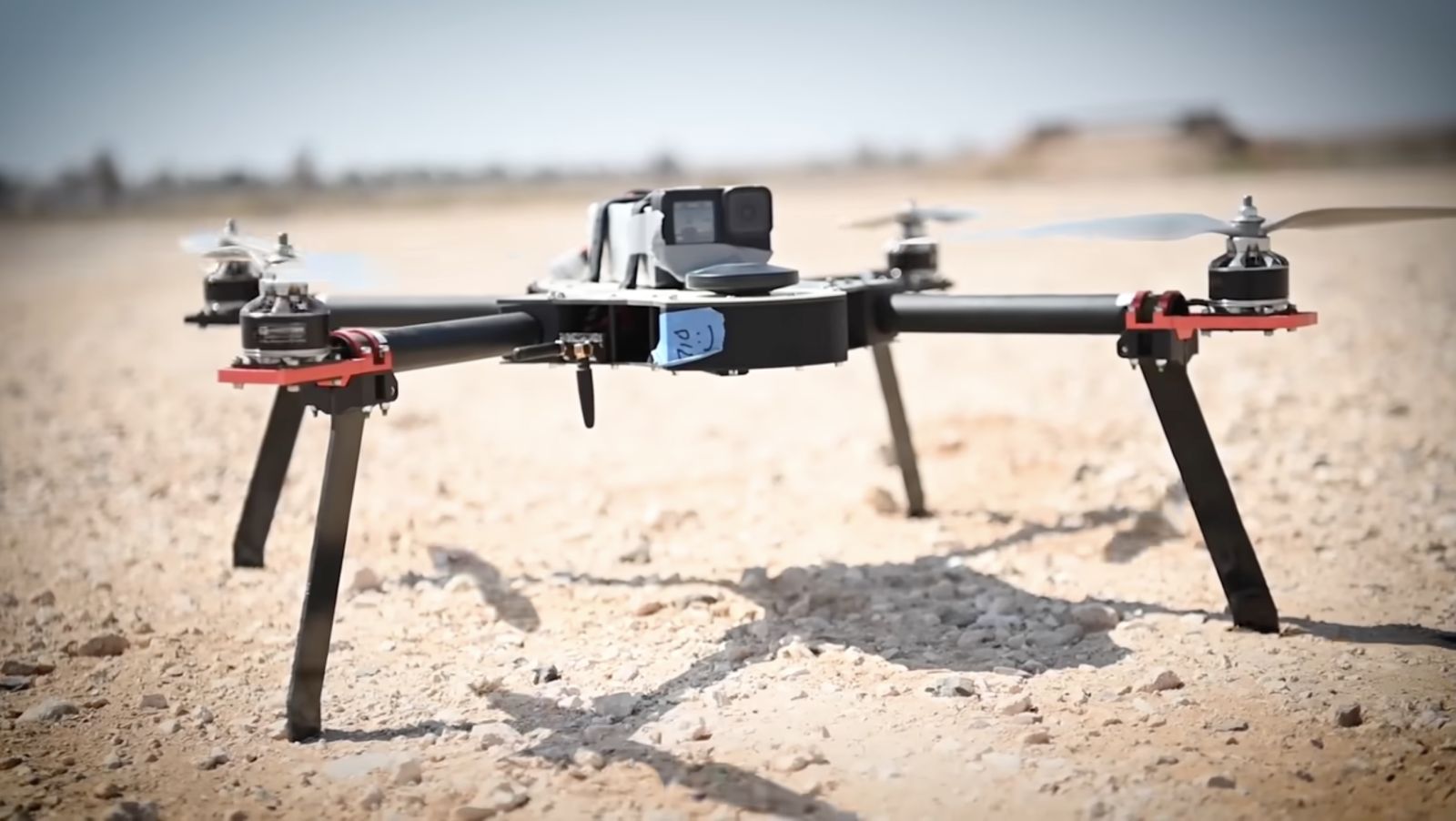
Solid-state hydrogen storage
Hydrogen fuel cells can unlock far greater flight times than batteries ever could. They’re lighter, cleaner and far more energy dense. The problem has never been the power itself, but how to store it safely enough to use in the field.
While compressed hydrogen can consume up to 15 percent of its own energy for compression, liquid hydrogen can lose nearly 40 percent through boil-off during transport.
Solid-state storage changes that equation. By embedding hydrogen within metal hydrides or other materials at low pressure and ambient temperature, the fuel becomes safer and easier to move. Instead of heavy cylinders under extreme pressure, operators can handle compact modules that store hydrogen more like a solid sponge. It is a monumental shift that reduces risk and opens new possibilities for long-endurance flight.
Mobile generation and refueling expand reach
Pair safer storage with a mobile hydrogen generator and the limits start to fade. The entire system can travel with a drone team, producing hydrogen on-site and refueling aircraft in minutes. In the field, we’ve already seen these units operate for months at a time without needing outside fuel deliveries.
The impact is immediate. Border patrols can maintain persistent coverage without resupply convoys. Disaster teams can launch drones right after a hurricane without waiting for fuel deliveries. Firefighters can survey large wildfires for hours without the costs of manned aerial surveillance. Remote research and communication outposts are able to deploy aerial support instantly. These benefits turn drones from short-use tools into long-term assets.
Broader shift toward mobile, self-sufficient energy
This isn’t only about drones. It’s about energy that can move with us. As weather grows more extreme and supply chains stretch thin, the ability to make power anywhere becomes less of a luxury and more of a necessity.
Mobile hydrogen systems bring that flexibility. They allow operators to create clean power on site, support autonomous systems, and remove the need for constant refueling logistics. For defense, this means fewer fuel convoys and safer operations in contested regions. For humanitarian or emergency teams, it means power, water, and communications all arriving together. Each scenario highlights the same goal of independence from the grid.
The next frontier is integration. Energy systems will link with data, logistics, AI-driven automation and more. When drones no longer rely on static fuel supplies, commercial and defense organizations will have the endurance and mission range to complete more complex missions with less downtime.

Looking ahead
Over the next decade, mobile hydrogen is set to become a core part of resilient infrastructure. When power can travel anywhere and refueling no longer means vulnerability, operations become faster and more adaptable.
Whether the mission is monitoring wildfires, restoring communications after a storm, or exploring remote terrain, the question is shifting from “where can we get fuel?” to “how long can we stay operational?”
Mobile hydrogen is not just keeping drones in the air. It is reshaping what’s possible when power can move anywhere.

Lauren Flanagan is co-founder and CEO of Sesame Solar. A lifelong entrepreneur, Lauren Flanagan is an early SaaS pioneer who worked with Steve Jobs at NeXT as a leading NeXT software developer. After witnessing the devastation of Hurricane Katrina, she was inspired to start her 5th company, Sesame Solar, maker of a 100% renewable mobile nanogrid. Using solar and green hydrogen, the mobile nanogrids generate clean, off-grid power and can be quickly deployed to provide power to communities impacted by a disaster.
Sesame Solar | www.sesame.solar
You can find the full article on North American Clean Energy's website
